Common Misconceptions About Mini Highland Cattle, Debunked

Introduction to Mini Highland Cattle
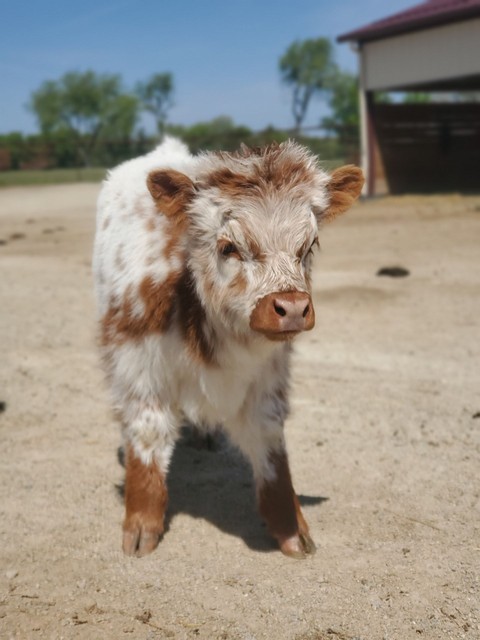
Mini Highland cattle are gaining popularity among small-scale farmers and hobbyists. However, there are many misconceptions surrounding these charming creatures. In this post, we’ll debunk some of the most common myths and provide a clearer understanding of these unique animals.
Misconception 1: Mini Highland Cattle Are Just Dwarfed Versions
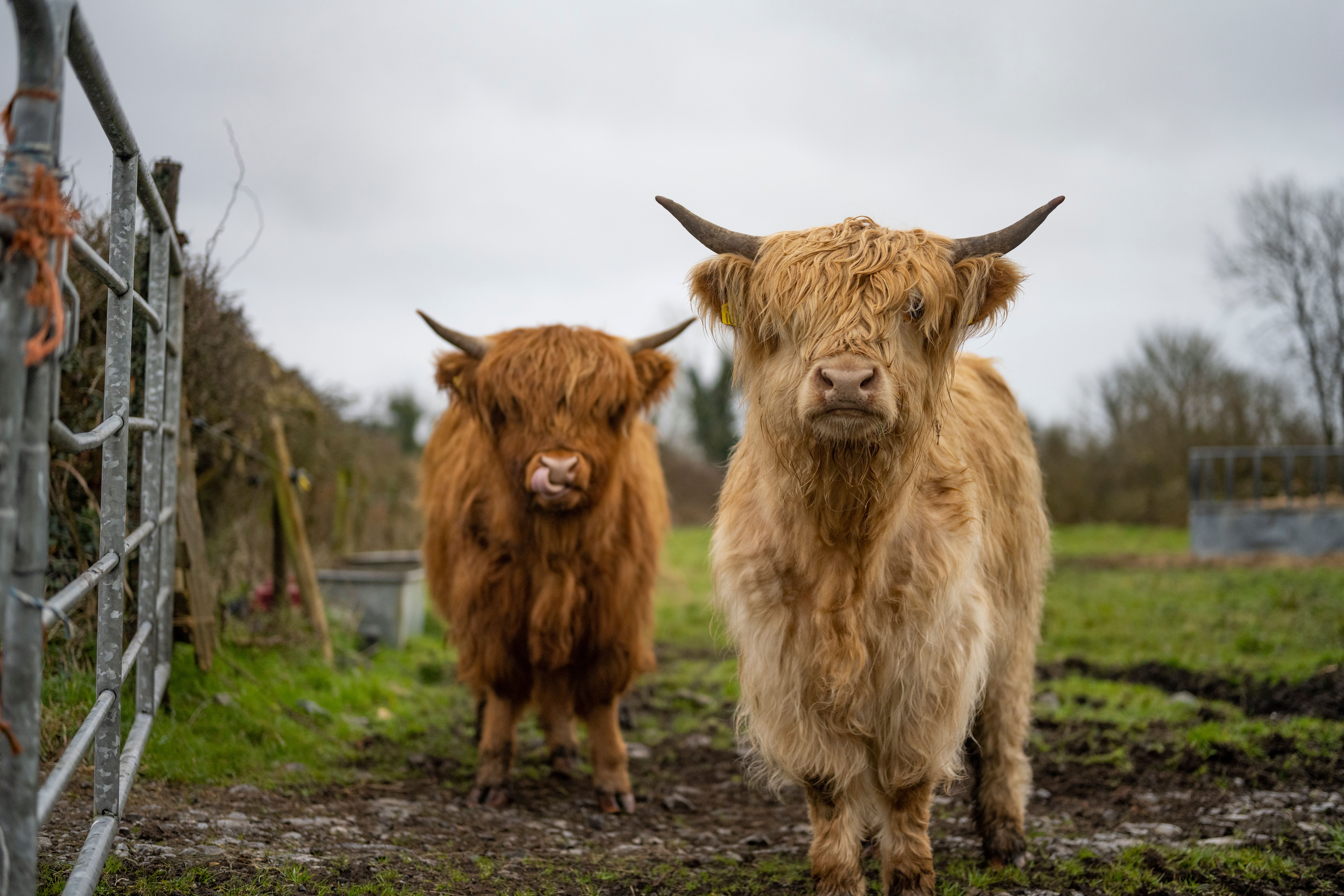
Many people assume that mini Highland cattle are simply smaller versions of their full-sized counterparts. However, they are specifically bred to maintain the characteristic features of Highland cattle while being more manageable in size. This selective breeding ensures that they retain their distinctive long horns and shaggy coats.
Why Size Matters
The smaller size of mini Highland cattle makes them ideal for small farms or homesteads. They require less space and resources, making them a sustainable choice for those with limited land. Despite their size, they are still robust and hardy animals.
Misconception 2: Mini Highland Cattle Are Difficult to Care For
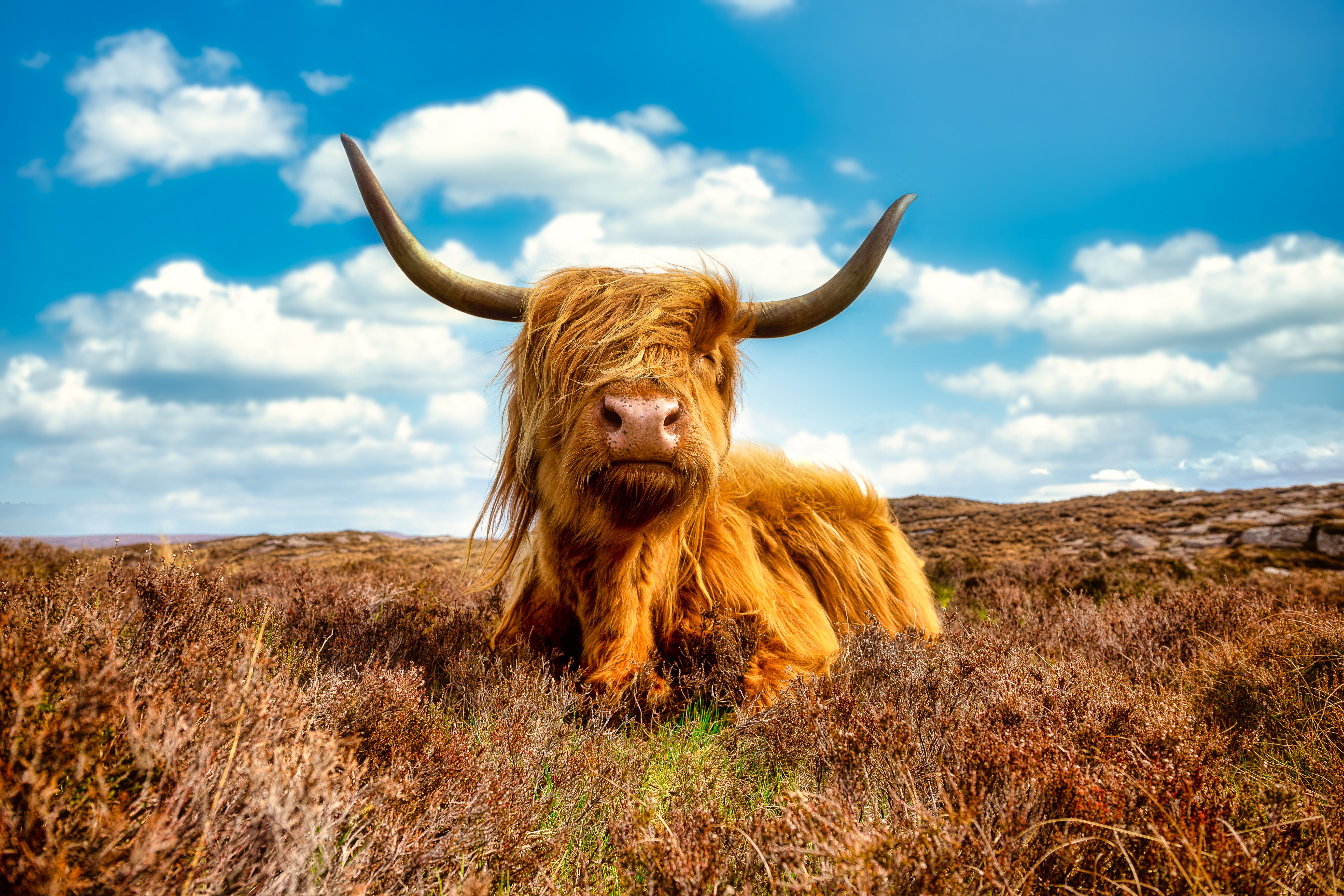
Another common myth is that mini Highland cattle are challenging to care for. In reality, they are known for their adaptability and resilience. They thrive in various climates and require minimal shelter, thanks to their thick, insulating coats.
Feeding and Maintenance
Mini Highland cattle have similar feeding requirements to other cattle breeds. They primarily graze on grass and require hay during the winter months. Regular health check-ups and vaccinations are necessary, but their maintenance needs are generally straightforward.
Misconception 3: Mini Highland Cattle Are Aggressive
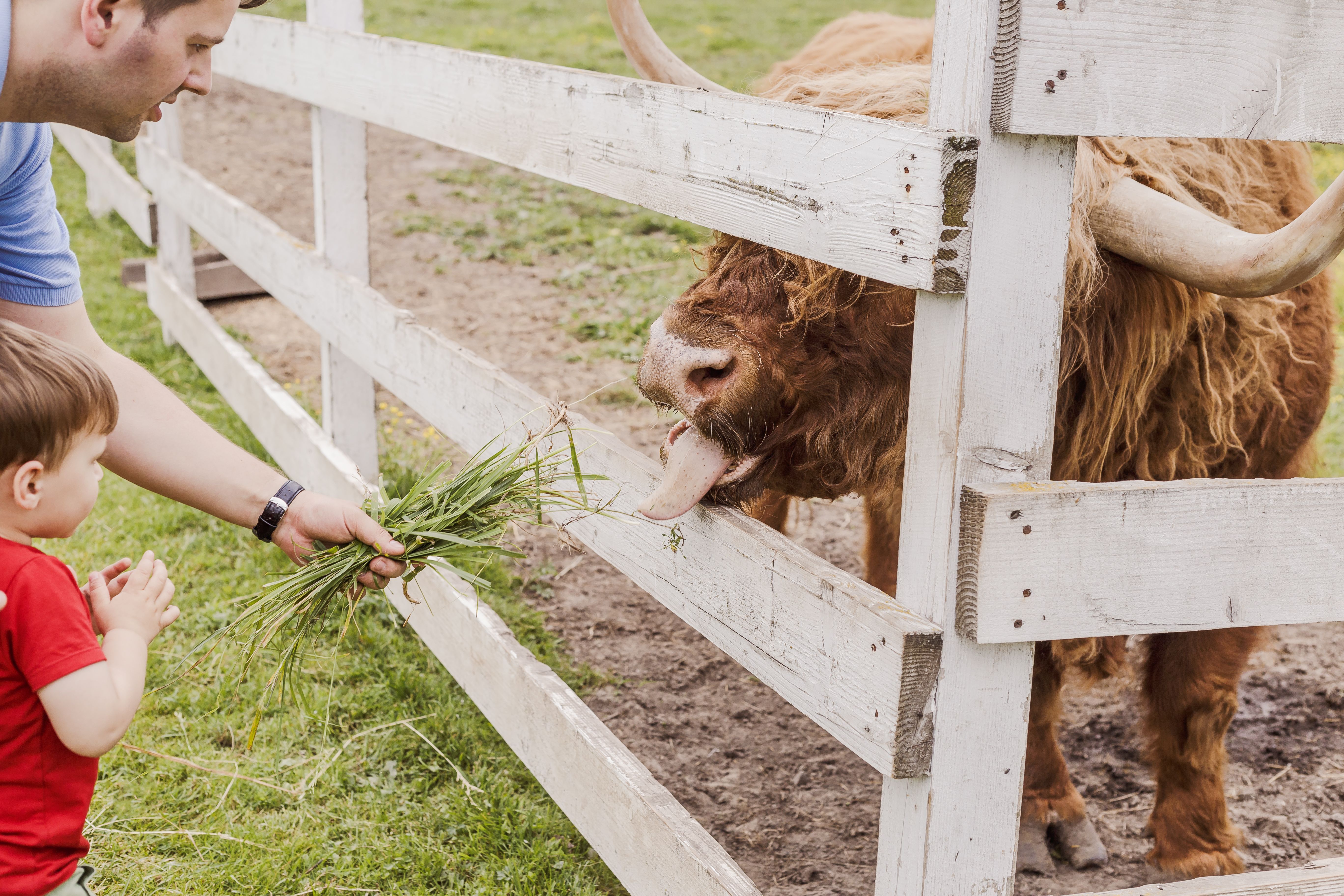
Some people believe that mini Highland cattle are aggressive, partly due to their imposing horns. However, they are known for their docile and friendly nature. Proper handling and socialization from a young age ensure that they are gentle animals.
Building Trust and Bonding
Building a strong bond with mini Highland cattle involves regular interaction and positive reinforcement. They enjoy human companionship and can be quite affectionate once trust is established. This makes them excellent companions for families and children.
Conclusion
Mini Highland cattle are fascinating creatures that bring many benefits to small-scale farming. By debunking these common misconceptions, we hope to encourage more people to consider these delightful animals as a viable option for their farms or homesteads. With proper care and understanding, mini Highland cattle can be a rewarding addition to any rural setting.