Common Misconceptions About Mini Highland Cattle Debunked

Introduction
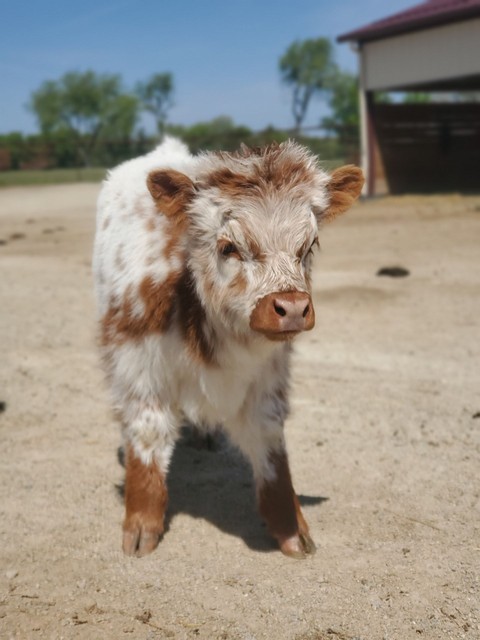
Mini Highland cattle have become increasingly popular among small-scale farmers and hobbyists. However, with their growing fame comes a host of misconceptions. Here, we aim to debunk some of the most common myths surrounding these charming animals.
Misconception 1: Mini Highland Cattle Are High Maintenance
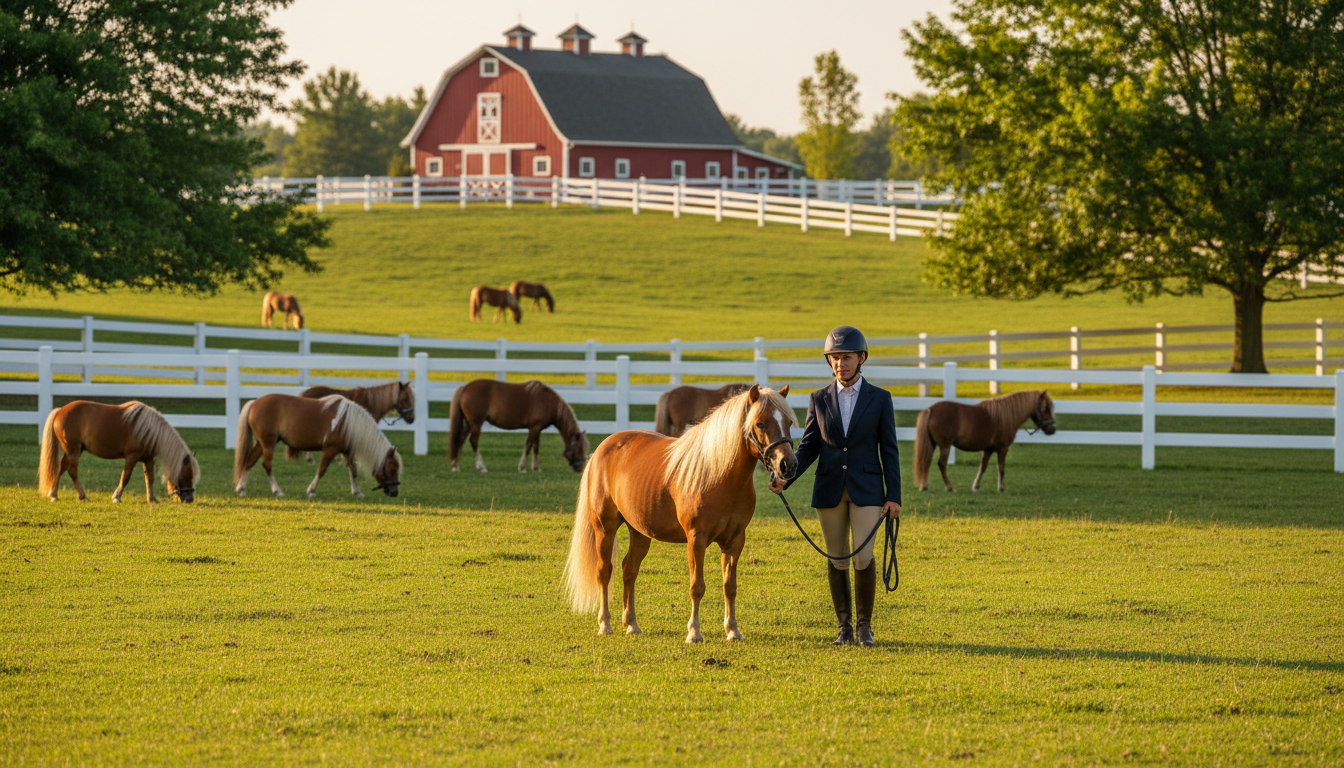
One prevalent myth is that Mini Highland cattle require excessive care. In reality, these hardy animals are well-suited to various climates. Their thick coats protect them from harsh weather, reducing the need for elaborate shelter. A simple barn and regular health check-ups suffice to keep them in optimal condition.
Moreover, their diet is straightforward. They thrive on grass, hay, and occasional supplements. Their resilience and adaptability make them a manageable choice for farmers.
Misconception 2: They Are Aggressive
Another common belief is that Mini Highland cattle are aggressive. While they may look intimidating with their long horns, they are generally gentle and docile. Proper handling and socialization from a young age ensure they remain friendly and approachable.
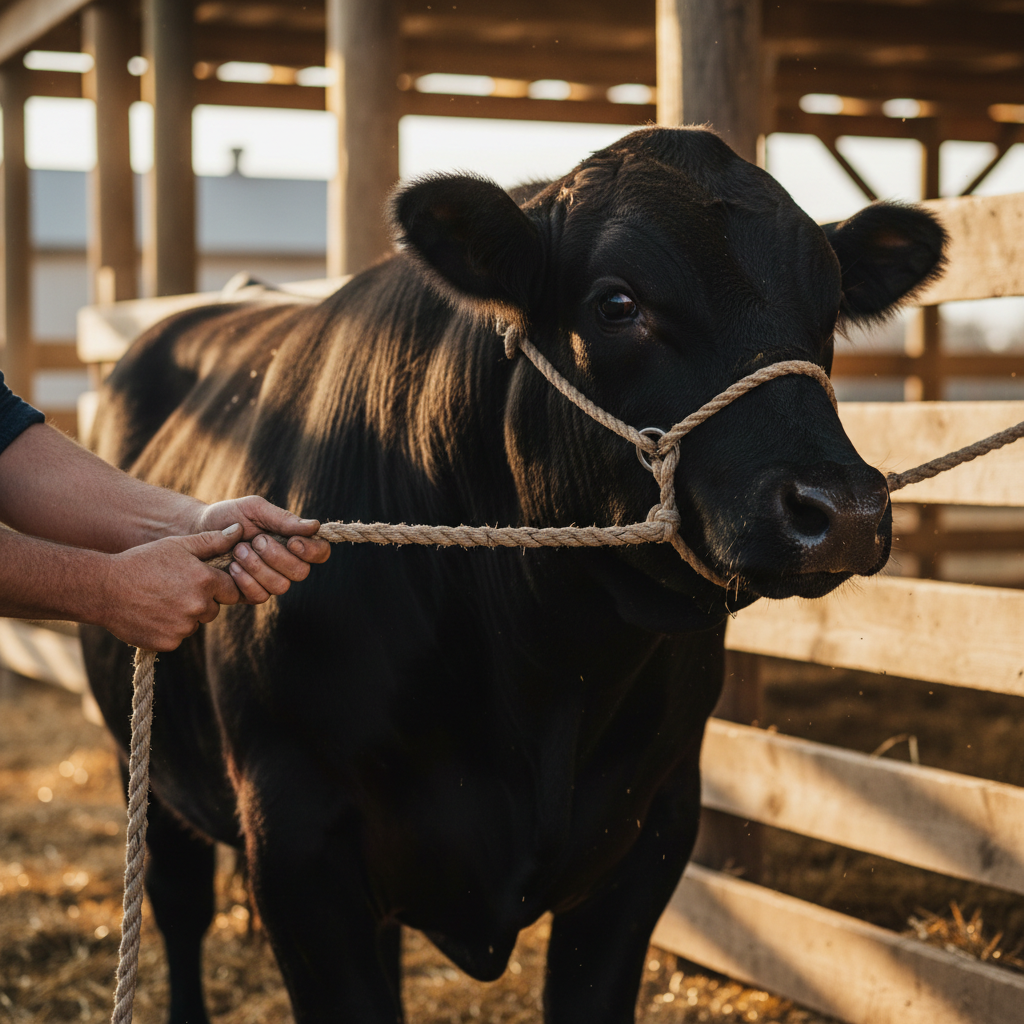
These cattle are known for their calm demeanor, making them ideal for families and petting farms. Building trust with them is key, much like with any other domesticated animal.
Misconception 3: They Are Just a Novelty
Some people assume that Mini Highland cattle are merely a novelty item for hobby farms. However, they serve practical purposes as well. Beyond their adorable appearance, they offer benefits such as:
- Efficient Grazers: They maintain pasture health by controlling grass growth.
- Meat Production: They provide high-quality beef with a smaller environmental footprint.
- Fertilizer Production: Their manure is an excellent natural fertilizer.
Misconception 4: They Are Expensive to Keep
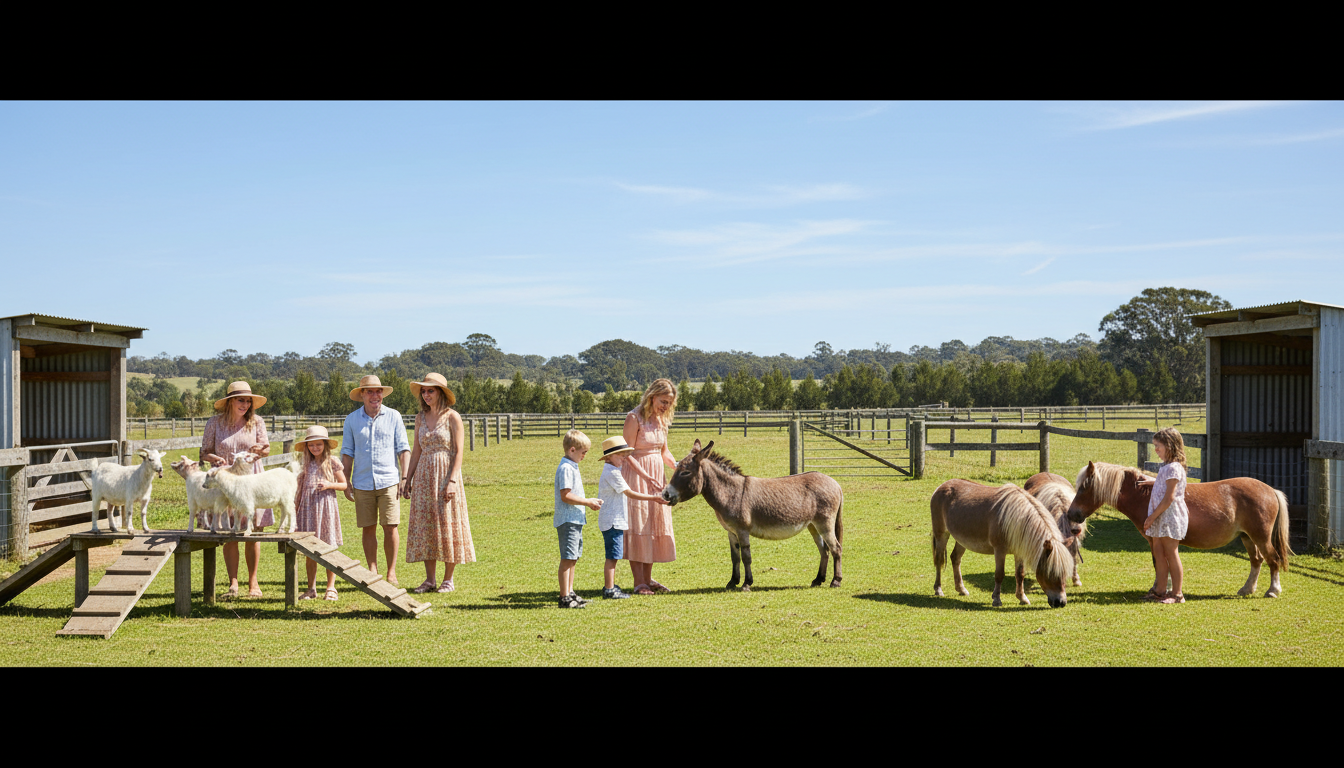
While purchasing Mini Highland cattle can be an investment, their ongoing costs are not prohibitive. Their feed requirements are modest, and their medical needs are similar to other cattle breeds. The initial cost is offset by their durability and the benefits they bring to a farm.
Additionally, their popularity can lead to opportunities for selling calves, further supporting the financial aspect of keeping them.
Conclusion
Mini Highland cattle are more than just a cute addition to a farm. By debunking these misconceptions, we can appreciate their true value and potential. Whether for practical purposes or companionship, these cattle offer a delightful and rewarding experience for their owners.