Common Myths About Miniature Highland Cattle: What You Need to Know

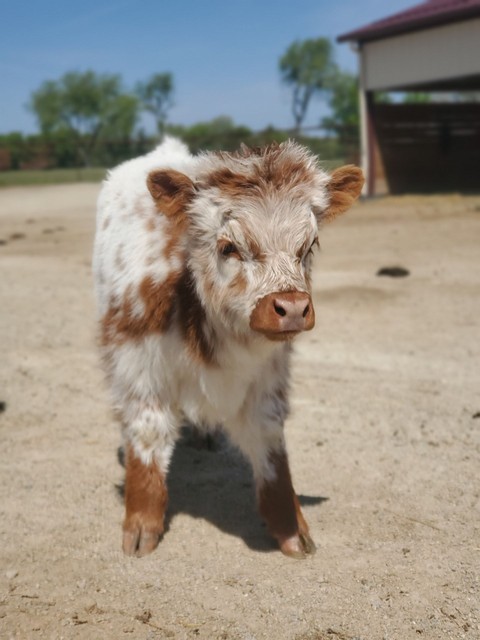
Understanding Miniature Highland Cattle
Miniature Highland cattle have gained popularity among hobby farmers and livestock enthusiasts, but numerous myths surround these charming creatures. It's important to separate fact from fiction to make informed decisions about raising them. In this article, we'll debunk some common myths and shed light on what you truly need to know.

Myth 1: Miniature Highland Cattle Are Just Small Pets
One of the most widespread myths is that miniature Highland cattle are simply pets. While they are smaller and often more manageable than standard cattle, they are still livestock and require proper care, space, and resources. Owners must understand their needs, including nutrition, shelter, and social interaction.
These cattle are not indoor animals or suitable for small backyards. They thrive in pasture settings where they can graze and roam freely. Proper fencing and a clean water supply are essential to their well-being.
Myth 2: They Require No Special Care
Another misconception is that these cattle require no special care compared to their larger counterparts. In reality, miniature Highland cattle have specific needs that must be addressed. Regular health checks, vaccinations, and hoof care are crucial to their health.

Their thick coats, while adorable, can also make them susceptible to certain conditions in warmer climates, such as overheating. Providing shade and regular grooming helps maintain their comfort and health.
Myth 3: Miniature Highland Cattle Are Expensive to Maintain
Some potential owners shy away due to the belief that these cattle are costly to maintain. While there are initial costs involved, their smaller size often means reduced feed expenses compared to standard cattle. Additionally, their calm demeanor can lower handling costs.
- Initial purchase cost
- Feed and pasture management
- Routine veterinary care
- Fencing and shelter

Myth 4: They Are Difficult to Handle
Many people assume that miniature Highland cattle are challenging to manage due to their horns and independent nature. However, they are known for their gentle and docile temperament, making them easier to handle with proper training.
Socializing them from a young age and consistent handling can further enhance their manageability. They can be trained to follow simple commands, making them a joy to have on any farm.
Considerations Before Owning Miniature Highland Cattle
If you're considering adding miniature Highland cattle to your farm, it's crucial to understand their specific needs and dispel any myths. They offer numerous benefits, but like any livestock, they require commitment and care.
Ultimately, owning miniature Highland cattle can be a rewarding experience, providing both companionship and practical benefits. With proper knowledge and preparation, these delightful animals can be a wonderful addition to your farm.