Debunking Myths About Mini Highland Cattle: What Every Farmer Should Know

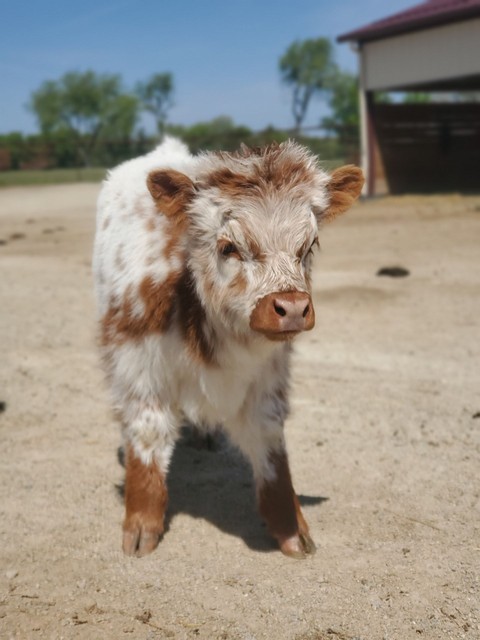
Understanding Mini Highland Cattle
Mini Highland cattle have been gaining popularity among farmers and hobbyists alike, yet many misconceptions persist. Understanding the truth about these charming creatures can help you make informed decisions about raising them.
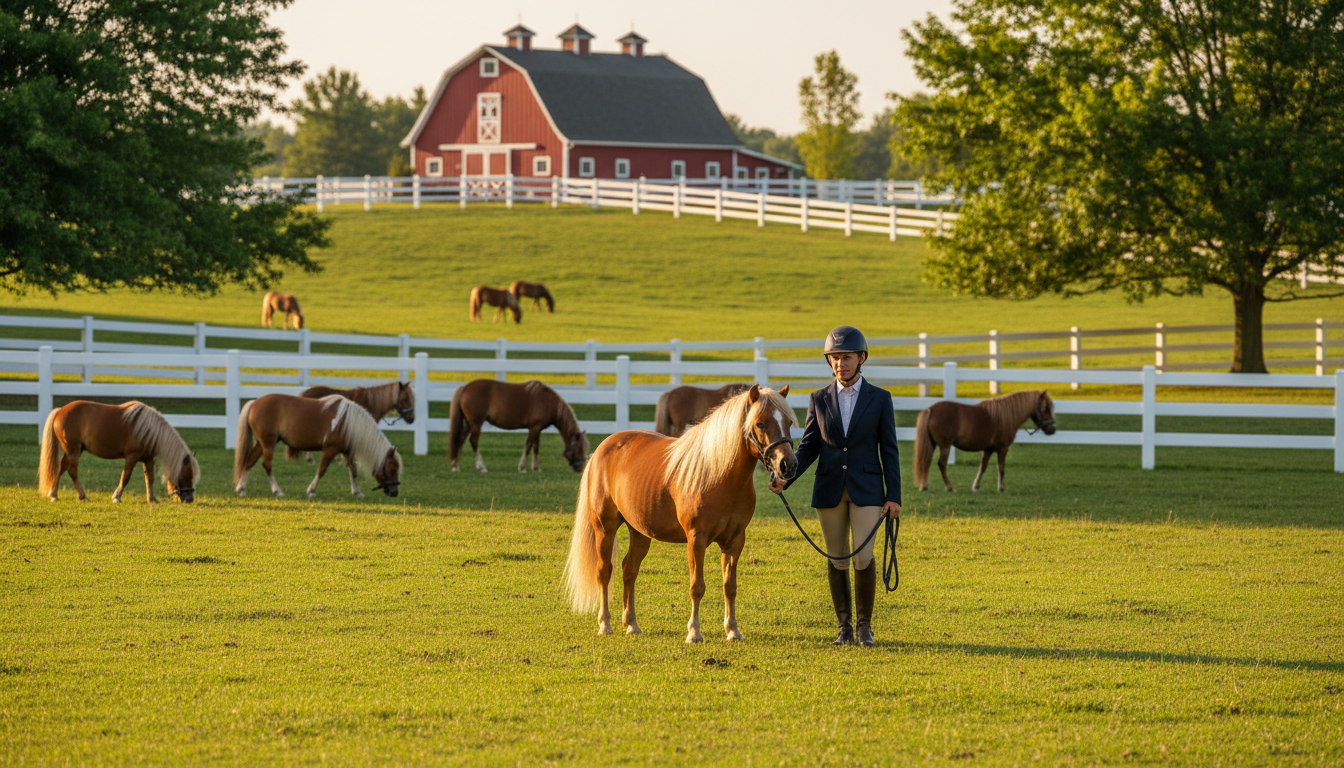
Myth 1: Mini Highlands Are Just a Novelty
One common myth is that mini Highland cattle are merely a novelty. While they are undeniably adorable, they serve practical purposes. These cattle are excellent for small-scale farming operations due to their manageable size and efficient grazing habits.
Mini Highlands are also known for their hardy nature, making them suitable for various climates. Their thick coats provide protection against harsh weather, reducing the need for intensive sheltering.
Physical Characteristics
Many people assume that mini Highland cattle are just smaller versions of their full-sized counterparts, but there are distinct differences. They typically stand between 36 to 48 inches tall, making them more accessible for handling and less intimidating for beginners.
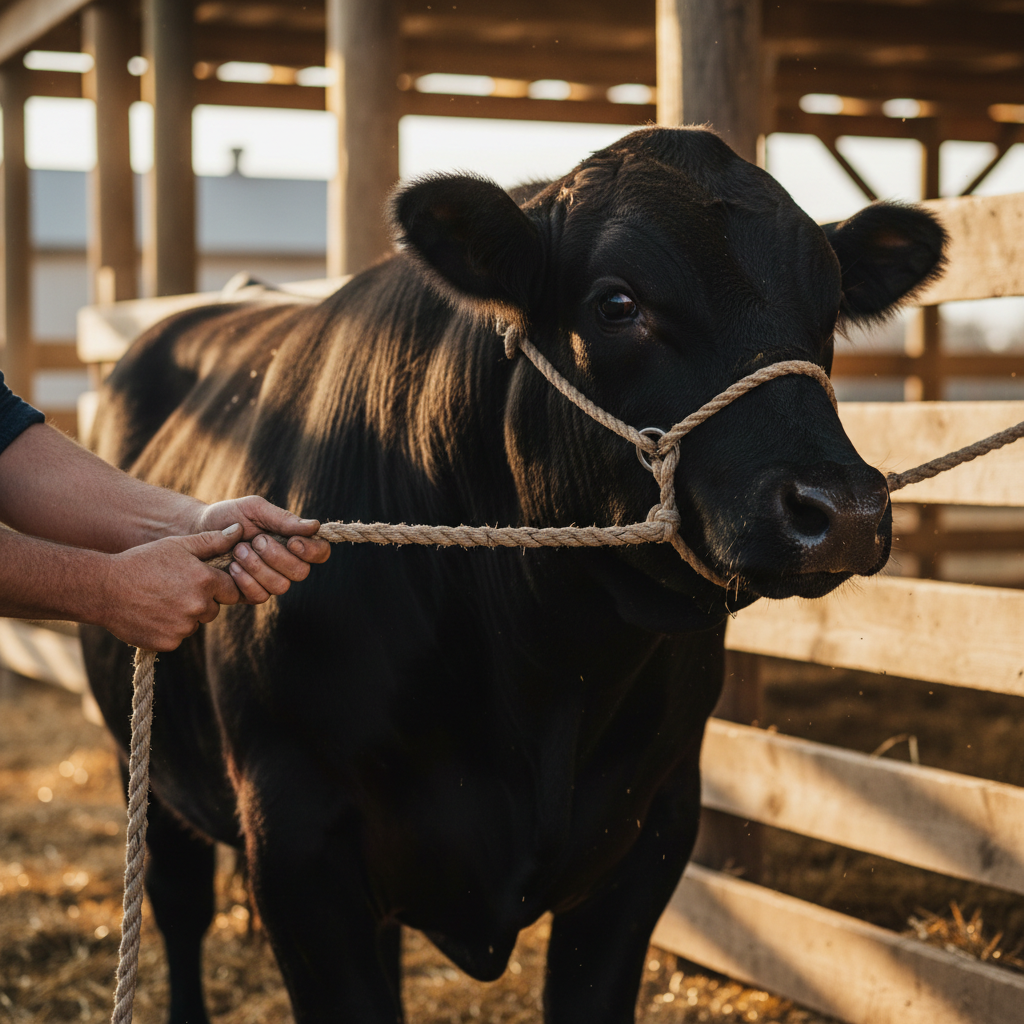
Myth 2: They Require Special Care
Another misconception is that mini Highlands require special care. In reality, their needs are quite similar to standard cattle. Regular veterinary check-ups, proper nutrition, and adequate space are all essentials, but these are standard practices for any livestock.
It's also worth noting that their smaller size often means they consume less feed, making them a cost-effective option for farmers looking to reduce expenses.
Economic Benefits
Beyond their charming appearance and manageable size, mini Highland cattle offer economic advantages. Due to their smaller stature, they are less destructive to pastureland, allowing for better land management and conservation.
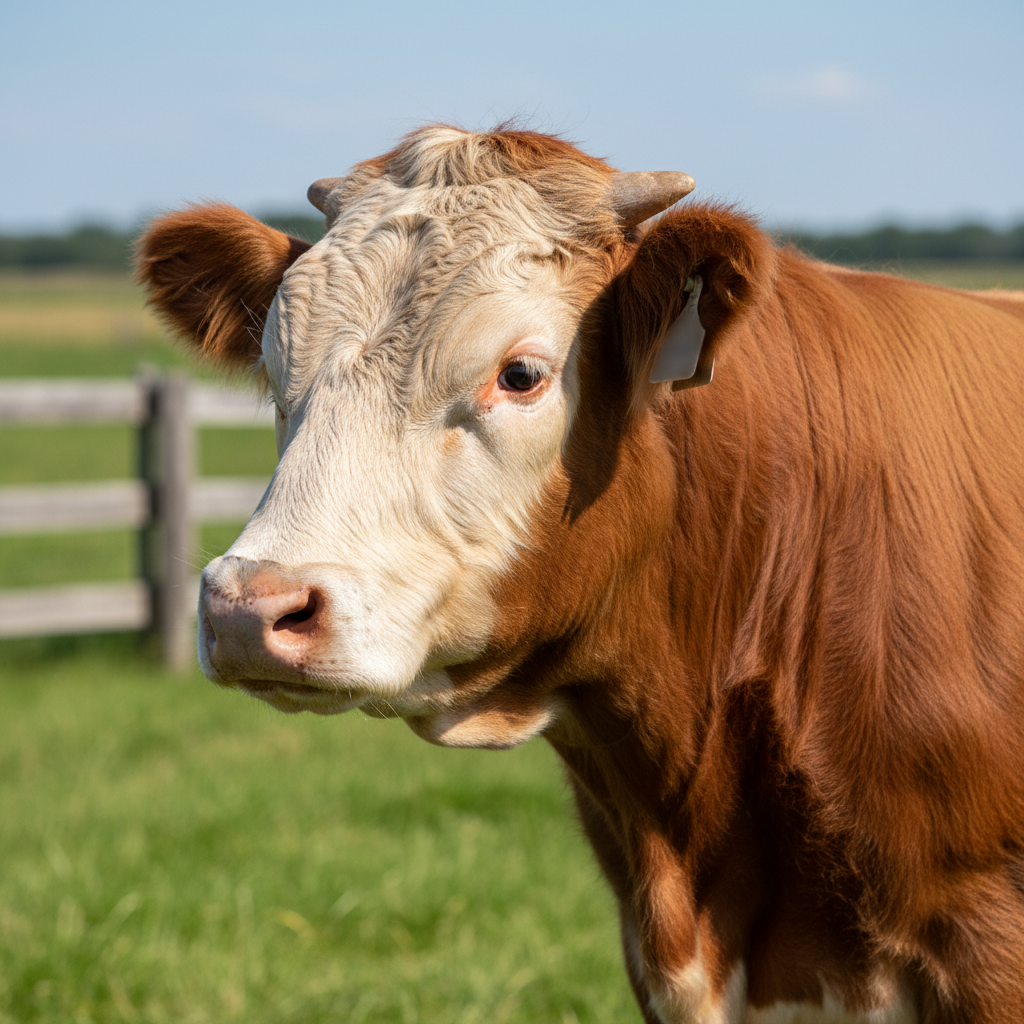
Myth 3: They Are Not Productive
Some skeptics believe that mini Highlands are not as productive as traditional cattle. However, they can be quite efficient in both meat and milk production. Their meat is known for its quality, and while their milk yield may be lower, it is rich and creamy.
Farmers often find that the benefits of raising mini Highlands outweigh any perceived drawbacks, making them a viable option for small farms and homesteads.
Conclusion: Dispelling the Myths
Mini Highland cattle are more than just a cute face on the farm. They offer practical benefits, economic advantages, and are relatively easy to care for. By debunking these myths, we can better appreciate the value they bring to sustainable farming practices.