Expert Tips for Breeding Healthy Mini Highland Cattle

Understanding Mini Highland Cattle
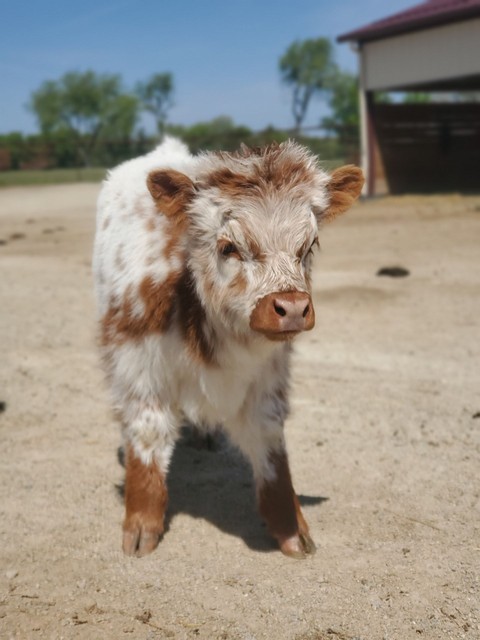
Mini Highland cattle are a fascinating and increasingly popular breed known for their distinctive appearance and manageable size. Originating from Scotland, these cattle are well-suited for small farms and homesteads. Their unique coat and gentle temperament make them a favorite among hobby farmers and breeders alike.
Choosing the Right Breeding Stock
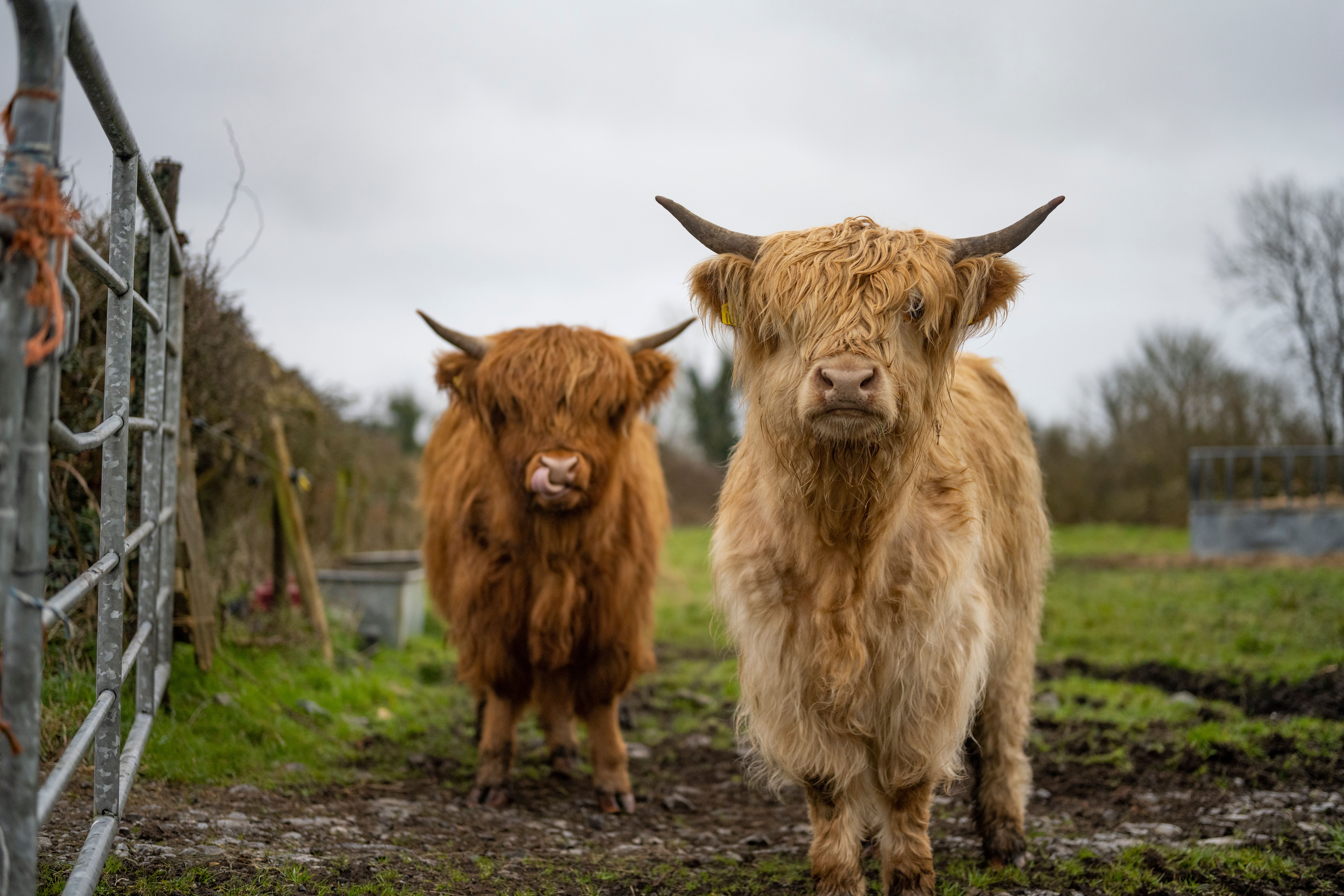
Selecting the right breeding stock is crucial for producing healthy Mini Highland cattle. Look for animals with strong genetics, good conformation, and a solid health history. Pay attention to their lineage, ensuring that they come from a line known for longevity and hardiness. This will help ensure the health and vitality of future generations.
When inspecting potential breeding stock, consider the following traits:
- Size and stature: Ensure they fit the miniature classification.
- Coat quality: A thick, lush coat is essential for protection against harsh weather.
- Temperament: A calm and friendly demeanor is preferred.
Proper Nutrition and Care
Providing a balanced diet is essential for the health of your Mini Highland cattle. These animals require a diet rich in nutrients to support their growth and maintenance. A combination of high-quality hay, pasture, and supplemental feed can meet their nutritional needs.
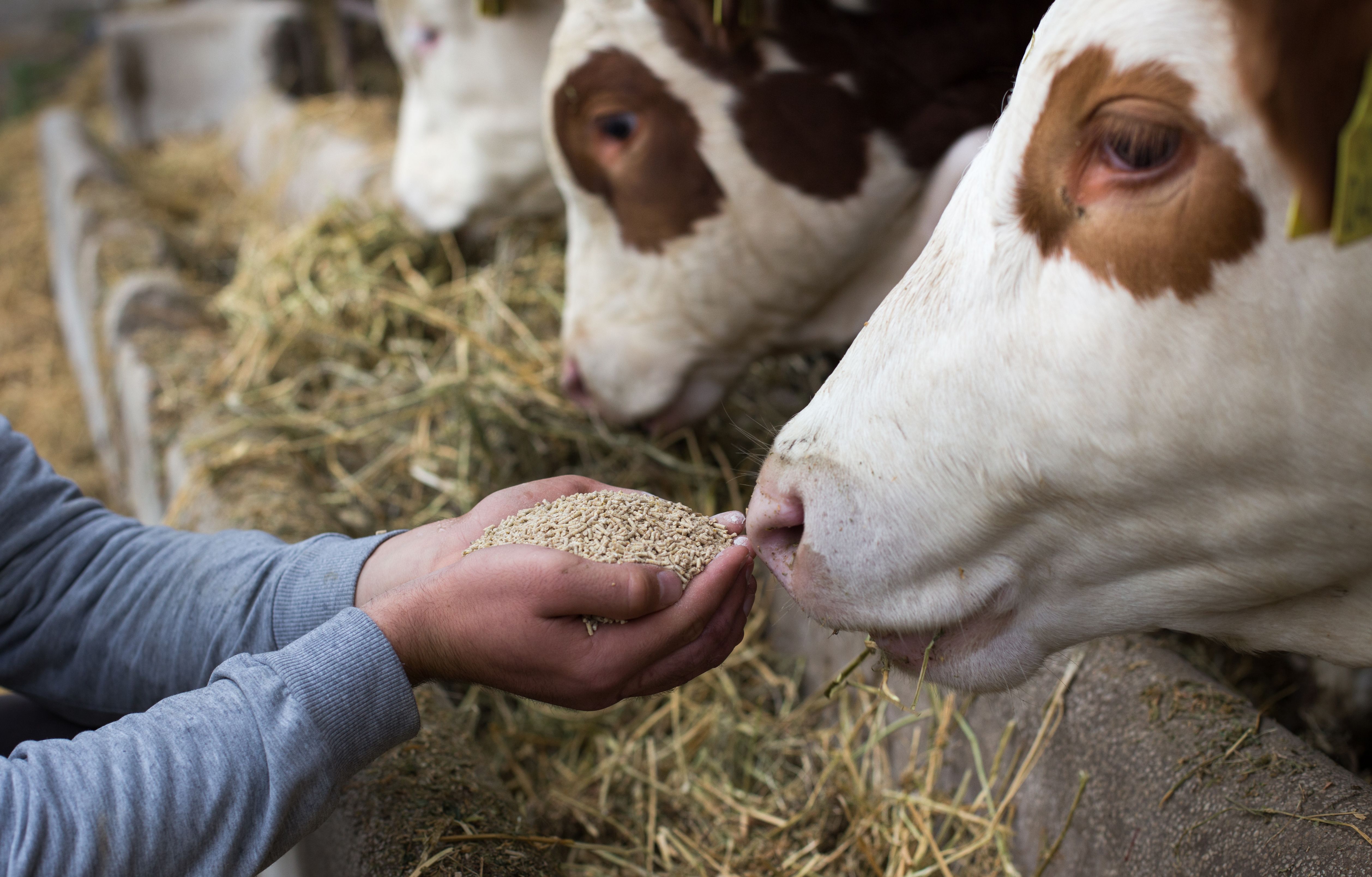
Regular veterinary check-ups are also vital. Ensure that vaccinations and deworming schedules are up to date to prevent diseases. Clean, fresh water should always be available, and pasture should be free of harmful plants and toxic substances.
Breeding Practices
When it comes to breeding Mini Highland cattle, timing and technique are key. It’s recommended to wait until females are at least two years old before breeding. This allows them to reach their full growth potential and ensures they are mature enough to handle pregnancy and calving.
Consider the following breeding practices:
- Choose a compatible bull with desirable traits.
- Monitor the female’s heat cycles for optimal breeding timing.
- Provide a stress-free environment during the breeding process.
Managing Calving and Early Care
Calving can be a challenging time, but with proper preparation, you can ensure a successful outcome. Have a clean, quiet space ready for the birth, and be prepared to assist if necessary. It’s crucial to monitor both the cow and calf closely during this period.
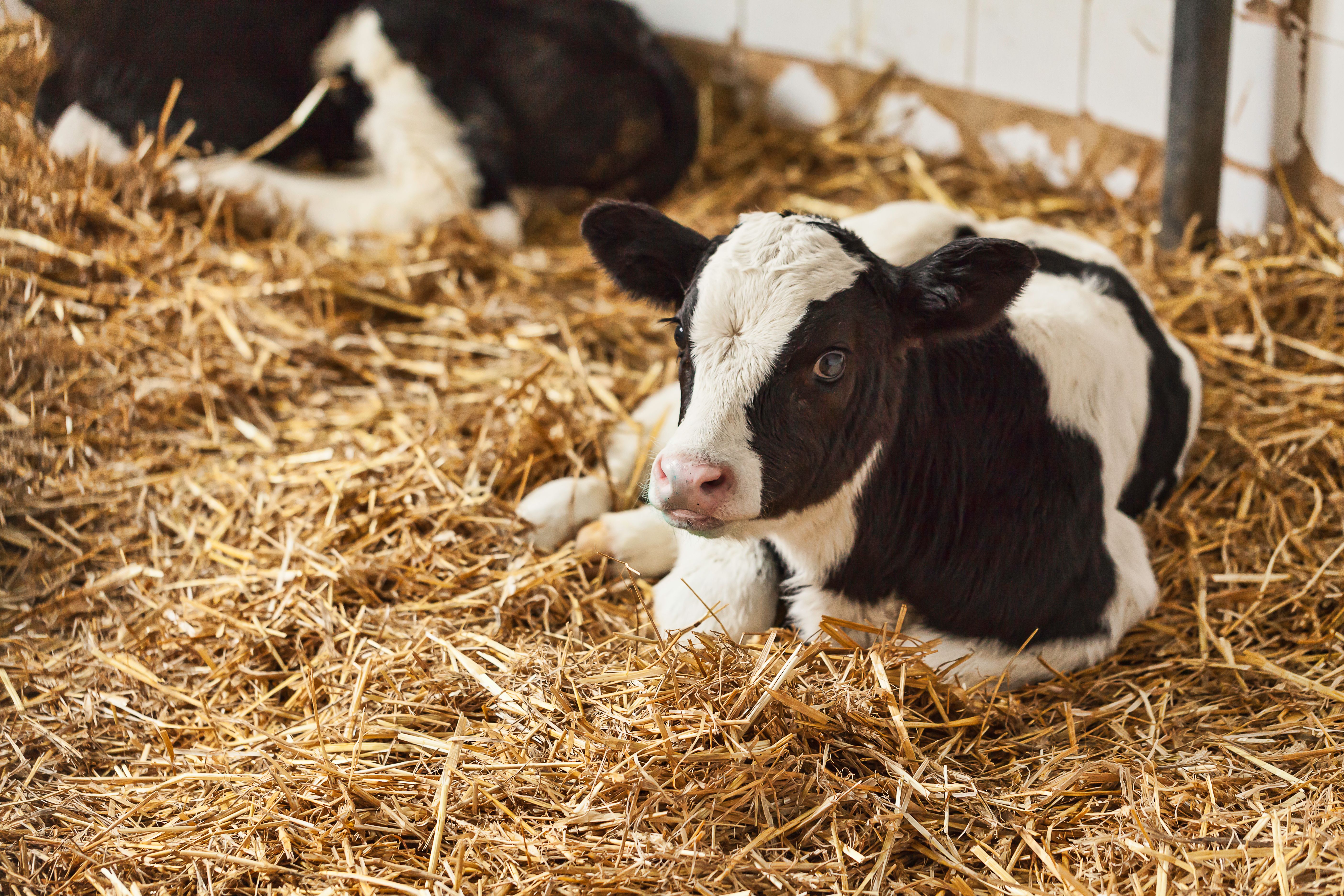
After birth, ensure the calf receives colostrum within the first few hours. This nutrient-rich first milk is vital for building the calf’s immune system. Monitor the calf’s growth and health closely to catch any potential issues early.
Conclusion
Breeding healthy Mini Highland cattle requires careful planning and attention to detail. By selecting the right breeding stock, providing proper nutrition, and following best practices for breeding and calving, you can ensure the health and success of your herd. These captivating creatures are not only a joy to raise but also a rewarding investment for any small-scale farmer.