Expert Tips for Raising Healthy Mini Highland Cattle

Understanding Mini Highland Cattle
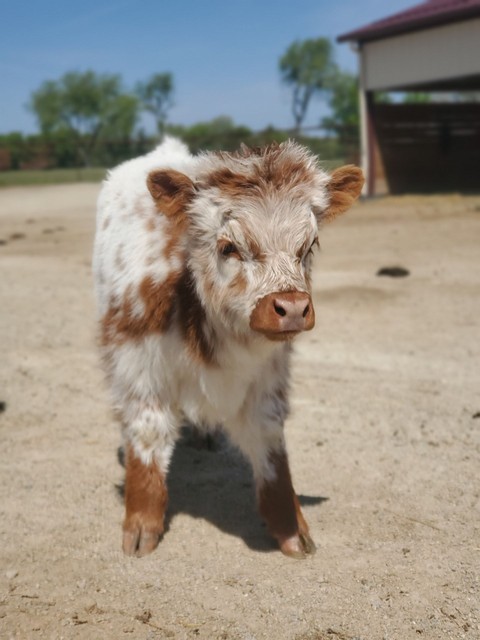
Mini Highland cattle are a delightful addition to any farm, offering the charm and resilience of their larger counterparts in a more manageable size. These cattle are known for their distinctive shaggy coats and gentle dispositions. If you are considering raising them, it’s essential to understand their unique needs to ensure they thrive.

Providing the Right Nutrition
Nutrition is the cornerstone of raising healthy Mini Highland cattle. Their diet should primarily consist of high-quality forage, such as hay or pasture grass. It's crucial to ensure that they have access to clean water at all times. Additionally, consider providing a mineral supplement to support their overall health.
Monitor their weight and adjust feeding as necessary. Overfeeding can lead to obesity, while underfeeding might stunt their growth. Regularly consult with a veterinarian to tailor their diet to their specific needs.
Creating a Safe and Comfortable Environment
Mini Highland cattle are hardy creatures, but they still require a safe and comfortable environment. Ensure their housing provides adequate shelter from harsh weather conditions. A barn or a well-constructed shed can protect them from wind, rain, and extreme temperatures.

Fencing is another essential consideration. Strong, secure fencing will keep your cattle safe from predators and prevent them from wandering off. Regularly inspect and maintain fences to ensure their effectiveness.
Health Maintenance and Veterinary Care
Regular health check-ups are vital for preventing diseases and ensuring the well-being of your Mini Highland cattle. Work with a veterinarian to establish a vaccination schedule and keep up with routine deworming.
Observe your cattle daily for any signs of illness, such as changes in appetite, behavior, or appearance. Early detection and intervention are key to addressing health issues effectively.

Breeding and Calving Considerations
If you plan to breed Mini Highland cattle, it’s important to understand their reproductive needs. Ensure that both the bull and cow are in optimal health before mating. The gestation period for these cattle is about nine months.
During calving, provide a clean, quiet environment to reduce stress for the mother. Be prepared to assist with the birth if necessary, but usually, these cattle manage well on their own. After birth, monitor the calf to ensure it nurses properly and receives colostrum within the first few hours.
Social Interaction and Enrichment
Mini Highland cattle are social animals and thrive on interaction, both with their herd and their human caretakers. Spend time with them daily to build trust and rapport. This interaction is not only beneficial for their mental health but also makes handling them easier.

Providing enrichment, such as toys or varied terrain to explore, can further enhance their quality of life. Remember, a happy cow is often a healthy cow.
By following these expert tips, you can raise Mini Highland cattle that are healthy, happy, and a joy to have on your farm. With proper care, these charming creatures will thrive and bring you many years of companionship and satisfaction.