How to Care for Mini Highland Cattle: A Beginner's Guide

Why Choose Mini Highland Cattle?
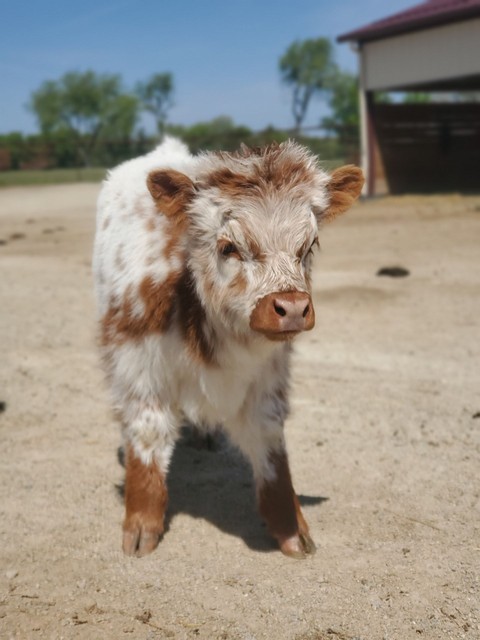
Mini Highland cattle are a charming addition to any small farm or homestead. Known for their docile nature and unique appearance, these cattle are ideal for those interested in sustainable farming. Their smaller size makes them easier to manage while still providing the benefits of larger cattle breeds.
Setting Up the Right Environment
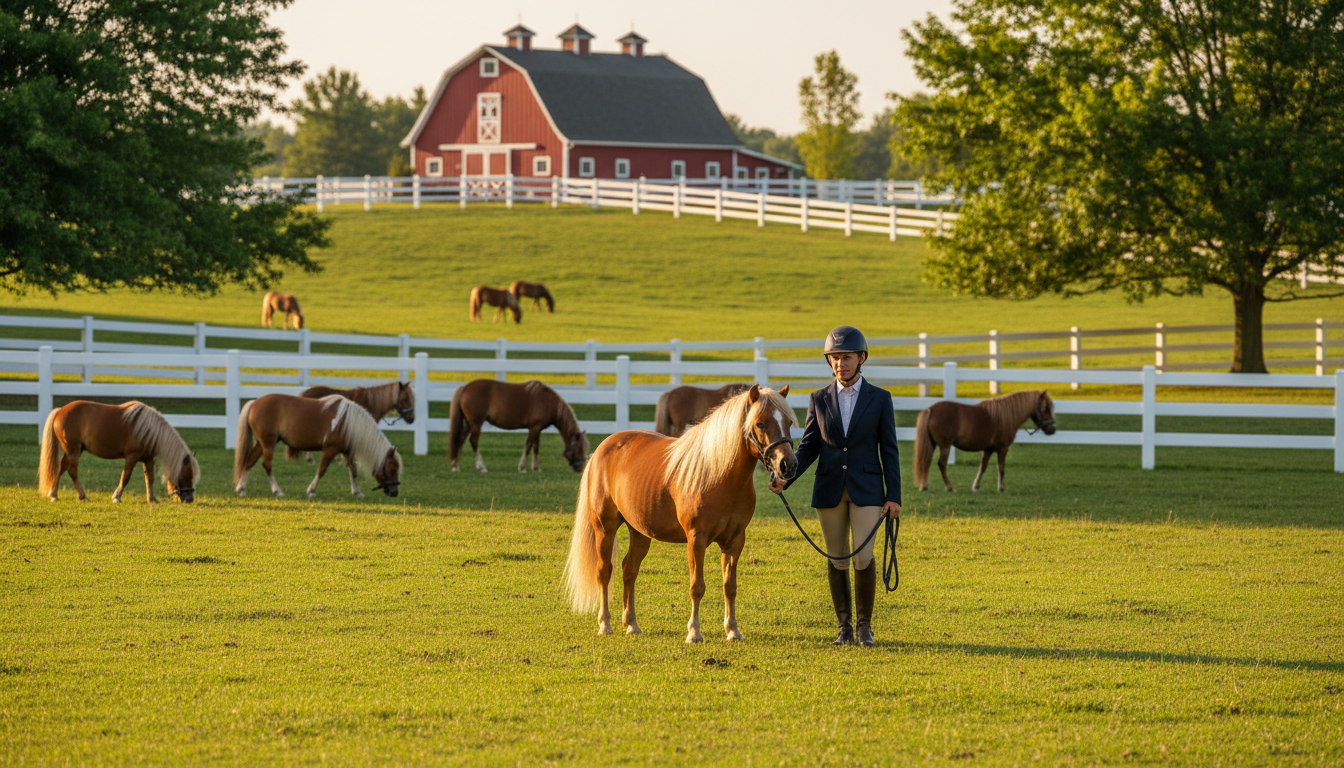
Creating a comfortable and safe environment is crucial for mini Highland cattle. Ensure they have access to a spacious pasture with plenty of grass, as they are natural grazers. A sturdy fence is essential to keep them safe from predators and prevent them from wandering off.
Additionally, provide a shelter to protect them from harsh weather conditions. This can be a simple barn or a three-sided shed. The key is to ensure it is dry and well-ventilated.
Feeding and Nutrition
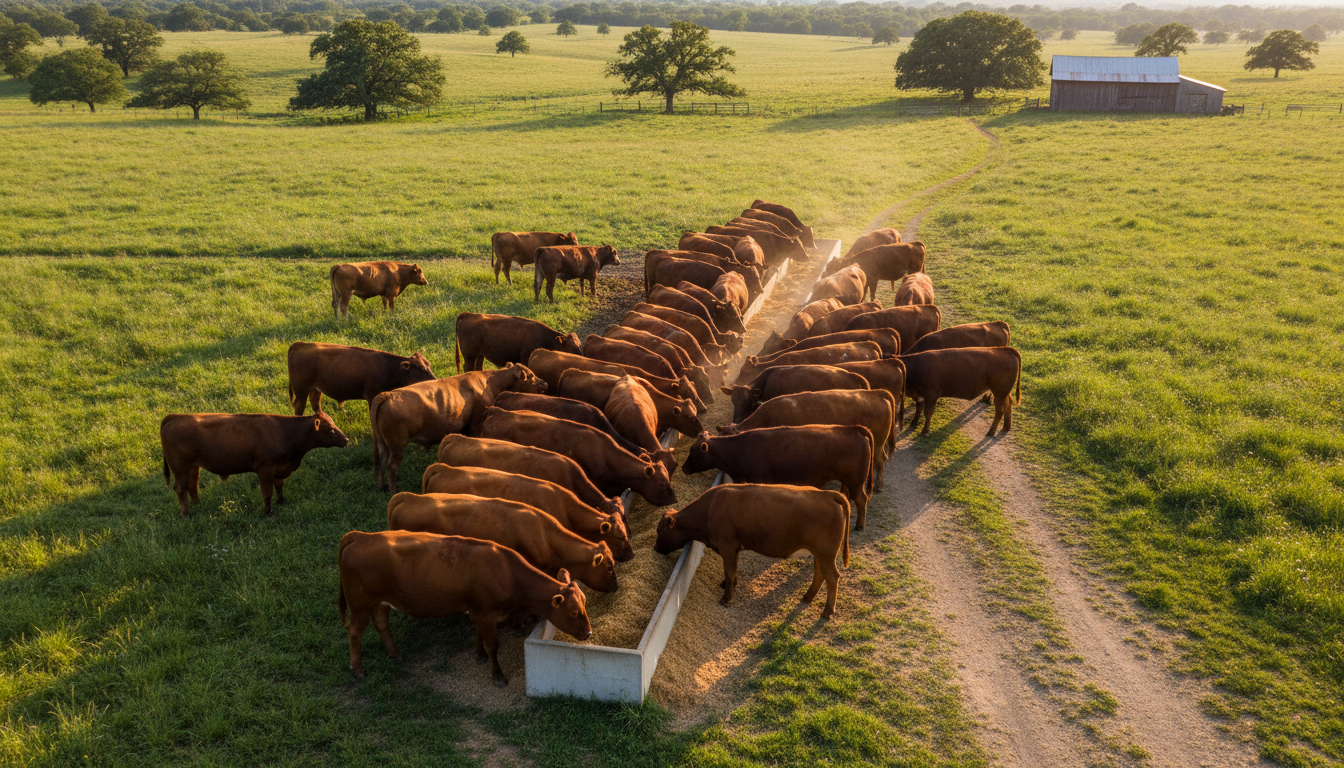
Proper nutrition is vital for the health and well-being of your mini Highland cattle. Their diet should primarily consist of grass, but during winter months or in areas with limited pasture, supplementing with hay is necessary.
- Provide a mineral block to ensure they receive essential nutrients.
- Always have fresh, clean water available.
Grooming and Health Care
Regular grooming helps maintain the health of your cattle's coat and skin. Their long hair may require occasional brushing to remove dirt and prevent matting. Keep an eye on their hooves and trim them as needed to avoid overgrowth.
Regular veterinary check-ups are important to monitor their health. Vaccinations and deworming should be part of their routine care.
Understanding Their Behavior
Mini Highland cattle are known for their gentle and friendly demeanor. Spending time with them daily helps build trust and makes handling easier. They are social animals, so keeping them in pairs or small groups is beneficial for their mental health.
Breeding and Calving
Breeding mini Highland cattle requires careful planning. Ensure both the bull and cow are healthy and of appropriate age before attempting to breed. Gestation lasts about nine months, and calving typically occurs without complications.
Monitor the cow closely as her due date approaches and provide a clean, comfortable area for calving. Be prepared to assist if necessary, but often, minimal intervention is needed.
Conclusion: A Rewarding Endeavor
Caring for mini Highland cattle can be a fulfilling and rewarding experience. With the right knowledge and preparation, these gentle animals can thrive on your farm, providing companionship and sustainable benefits. Whether you're a hobby farmer or looking to expand your homestead, mini Highland cattle are a delightful choice.