How to Prepare Your Farm for New Calves This Spring

Understanding the Needs of New Calves
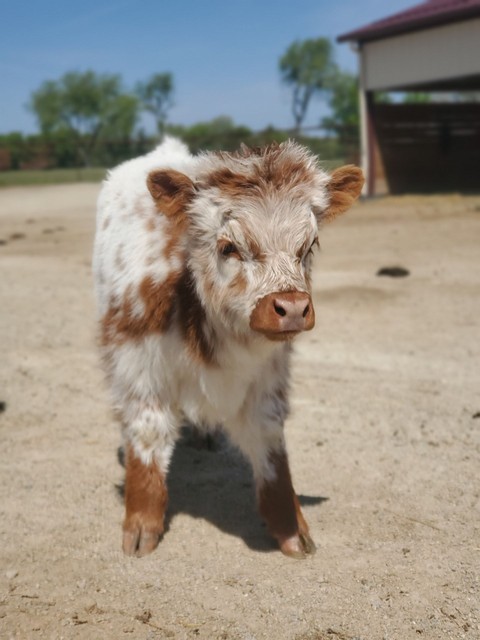
Spring is an exciting time on the farm, especially when you're preparing for the arrival of new calves. Proper preparation is crucial to ensure the health and safety of both the calves and their mothers. Understanding their needs is the first step in creating a nurturing environment.
Calves require a clean, dry, and spacious area to thrive. Ensure that the calving area is free from any hazards such as sharp objects or slippery surfaces. A well-maintained space not only promotes the health of the calves but also reduces stress for the mothers.
Preparing the Calving Area
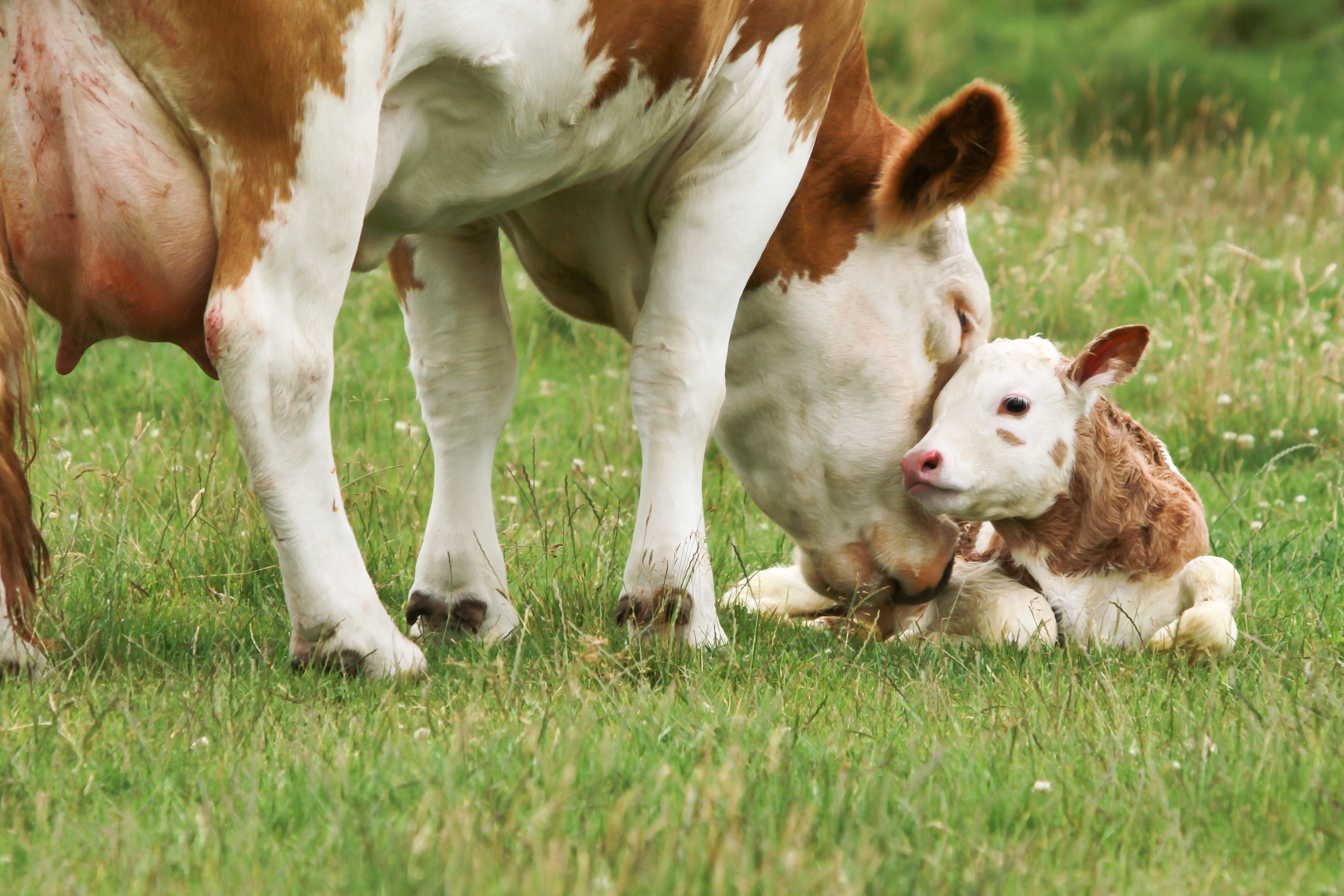
Before the calves arrive, it's essential to prepare the calving area thoroughly. Start by cleaning and disinfecting the space to minimize the risk of infections. Fresh bedding should be laid out to provide warmth and comfort. Straw or wood shavings are excellent choices for bedding material.
Ensure that there is adequate ventilation in the area to maintain fresh air circulation. Proper ventilation helps in reducing respiratory issues and keeps the environment pleasant for both the calves and their mothers.

Ensuring Proper Nutrition
The nutritional needs of pregnant cows must be met to ensure healthy calves. A balanced diet rich in essential nutrients is vital for their overall health. Consult with a veterinarian or an animal nutritionist to design a diet plan that includes high-quality forage, grains, and minerals.
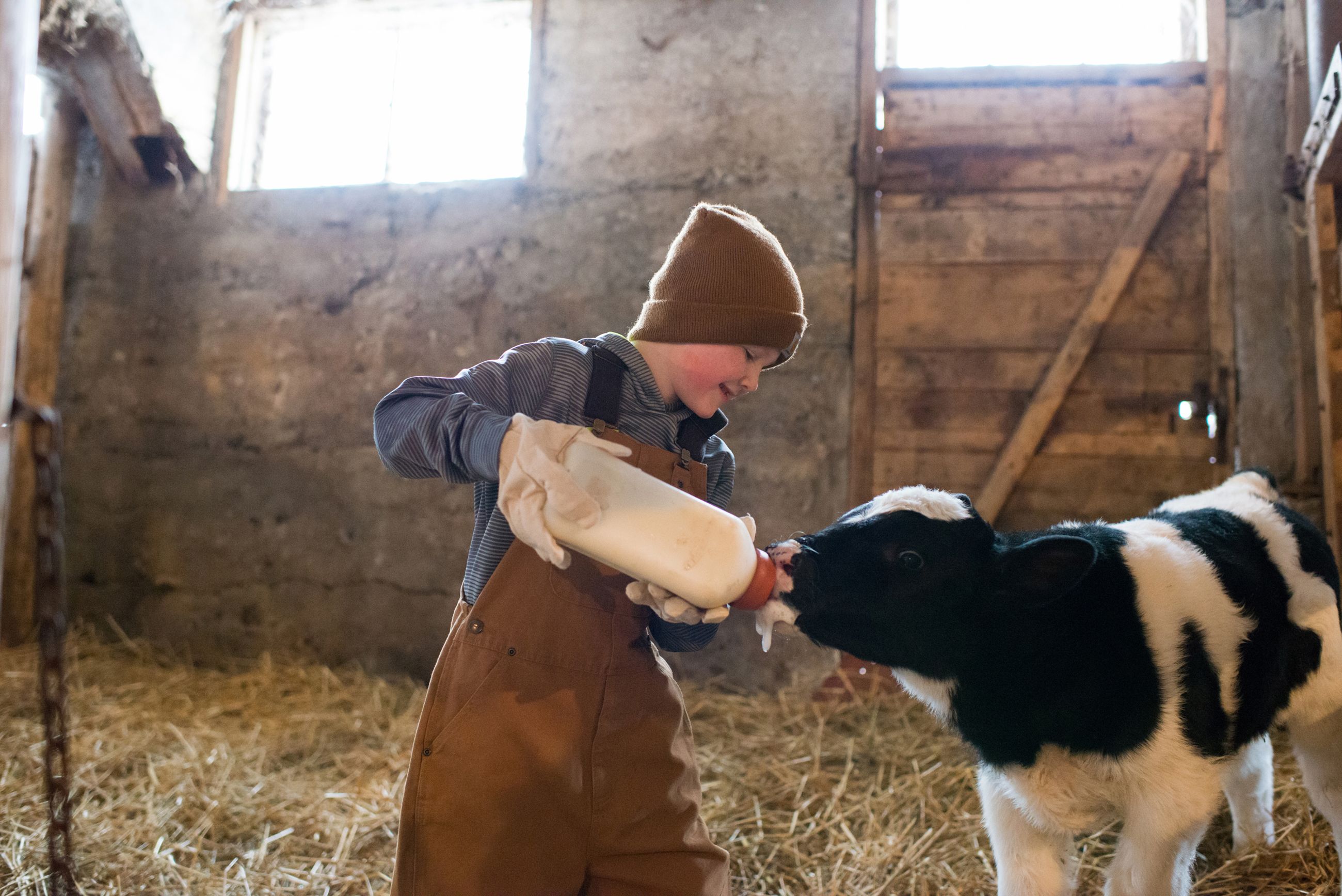
After birth, calves need colostrum within the first few hours. Colostrum is rich in antibodies and provides essential immunity-boosting properties. Ensure that calves receive an adequate amount to support their initial growth and development.
Monitoring and Health Care
Once the calves are born, regular monitoring is necessary to ensure their health and well-being. Keep an eye on their behavior and look for any signs of illness or distress. Quick intervention can prevent minor issues from becoming serious problems.
Routine health checks, including vaccinations and deworming, are crucial. Work with a veterinarian to establish a health care schedule tailored to your farm's needs. This proactive approach helps in maintaining a healthy herd.
Creating a Safe Environment
Safety is paramount when it comes to newborn calves. Ensure that all fencing is secure and free of gaps where a calf might escape. The water sources should be clean and easily accessible to both calves and their mothers.
Consider setting up separate feeding areas to prevent overcrowding and competition for food. This strategy allows each animal to receive the necessary nutrition without stress. A calm and organized environment contributes significantly to the well-being of new calves.
Conclusion
Preparing your farm for new calves this spring involves careful planning and attention to detail. By understanding their needs, ensuring proper nutrition, maintaining a clean and safe environment, and monitoring their health, you can create the perfect setting for their growth and development. With these steps in place, you'll be well-equipped to welcome healthy and happy calves to your farm.