Mini Highland Cattle vs. Traditional Breeds: A Comparison

Introduction to Mini Highland Cattle
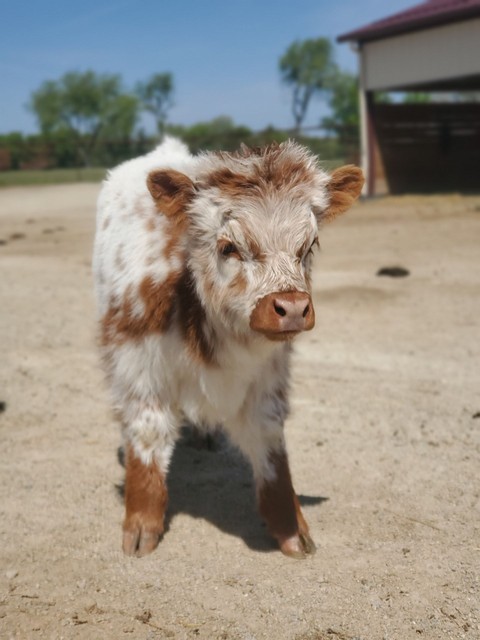
Mini Highland cattle are a unique and increasingly popular choice for farmers and livestock enthusiasts. These smaller versions of the traditional Highland cattle retain all the charming characteristics of their larger counterparts but come in a more manageable size. This makes them an attractive option for small farms or hobby farmers looking for a low-maintenance yet rewarding addition to their livestock.
Size and Space Requirements
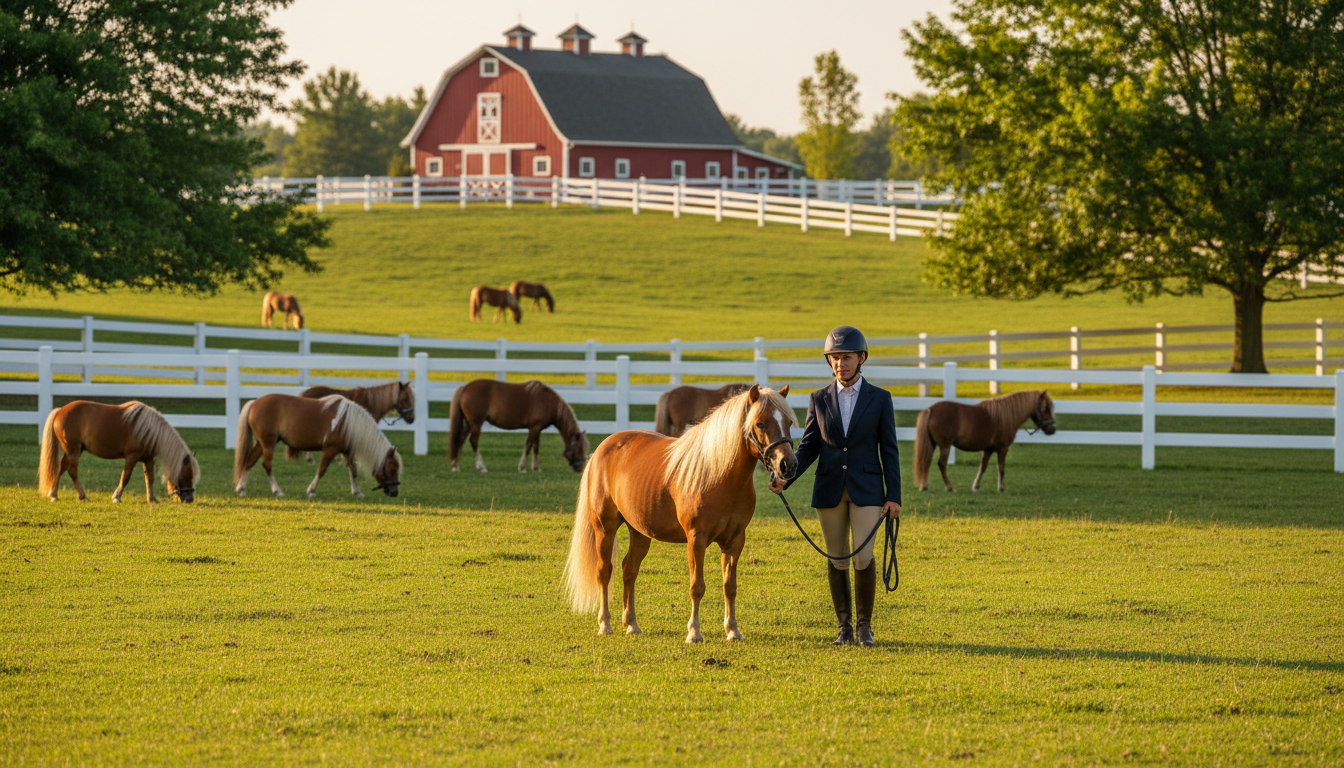
One of the most significant differences between mini Highland cattle and traditional breeds is their size. Mini Highland cattle typically stand about 36 to 42 inches tall, which is considerably smaller than the traditional Highland cattle that can reach up to 48 inches or more. This smaller stature means that mini Highlands require less space, making them ideal for those with limited land.
Traditional breeds, on the other hand, often need more extensive pastures to roam and graze. This can be a deciding factor for farmers who are considering which breed to include in their operations.
Temperament and Handling
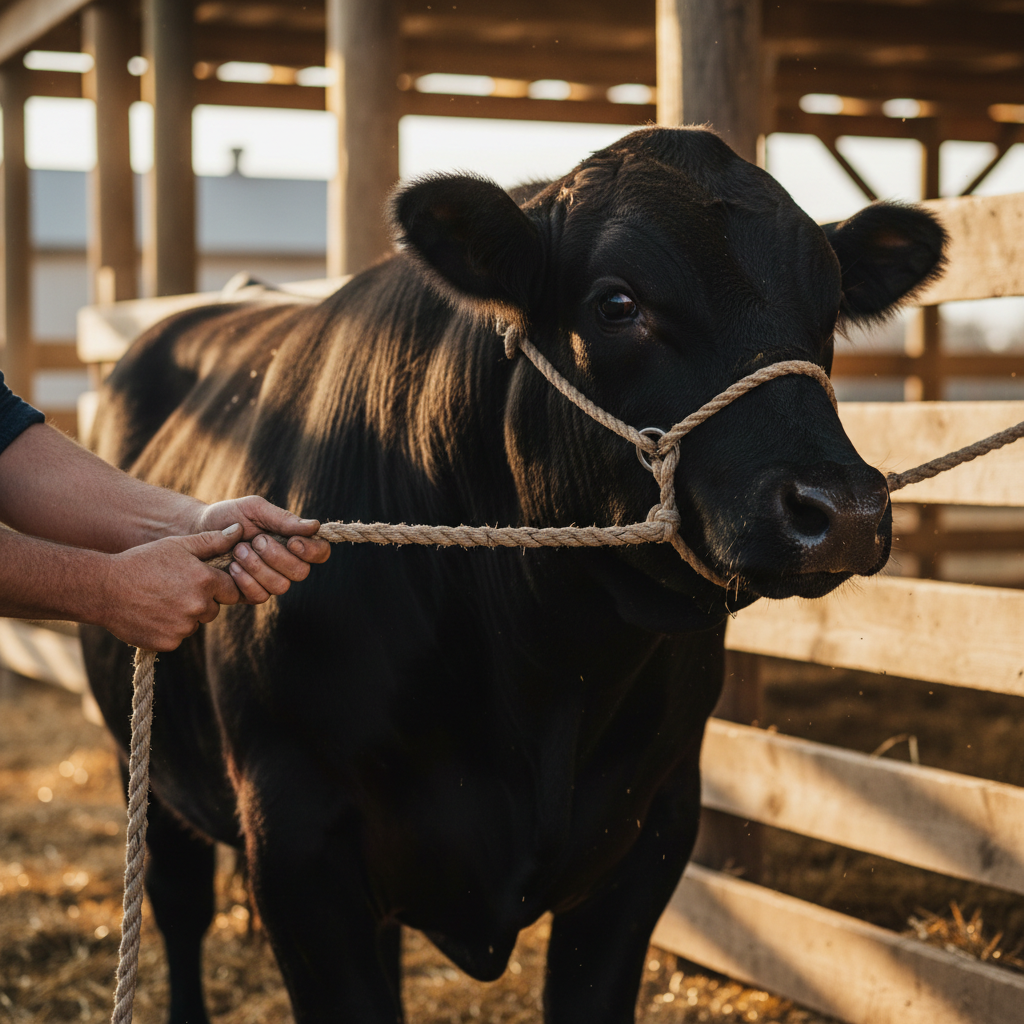
Both mini and traditional Highland cattle are known for their docile and friendly nature. However, the smaller size of mini Highlands makes them easier to handle, especially for those who may not have extensive experience with cattle. Their gentle temperament makes them a favorite among families and hobby farmers.
Traditional Highlands also boast a calm demeanor, but their larger size can pose challenges for handling and transportation. This is an essential consideration for anyone looking to manage cattle with limited resources or experience.
Feeding and Maintenance
When it comes to feeding, mini Highland cattle generally consume less than their traditional counterparts. This lower feed requirement can translate into cost savings for farmers. Minis are known for their efficient grazing habits and ability to thrive on a variety of forage types.
In contrast, traditional Highland cattle may require more substantial feeding plans, especially in harsher climates or during winter months. This can increase the overall cost and effort needed to maintain the herd.
Market and Value
The market for mini Highland cattle has been growing steadily, with enthusiasts appreciating their unique appeal and practicality. Minis can fetch a higher price due to their novelty and the benefits they offer to small-scale farmers.
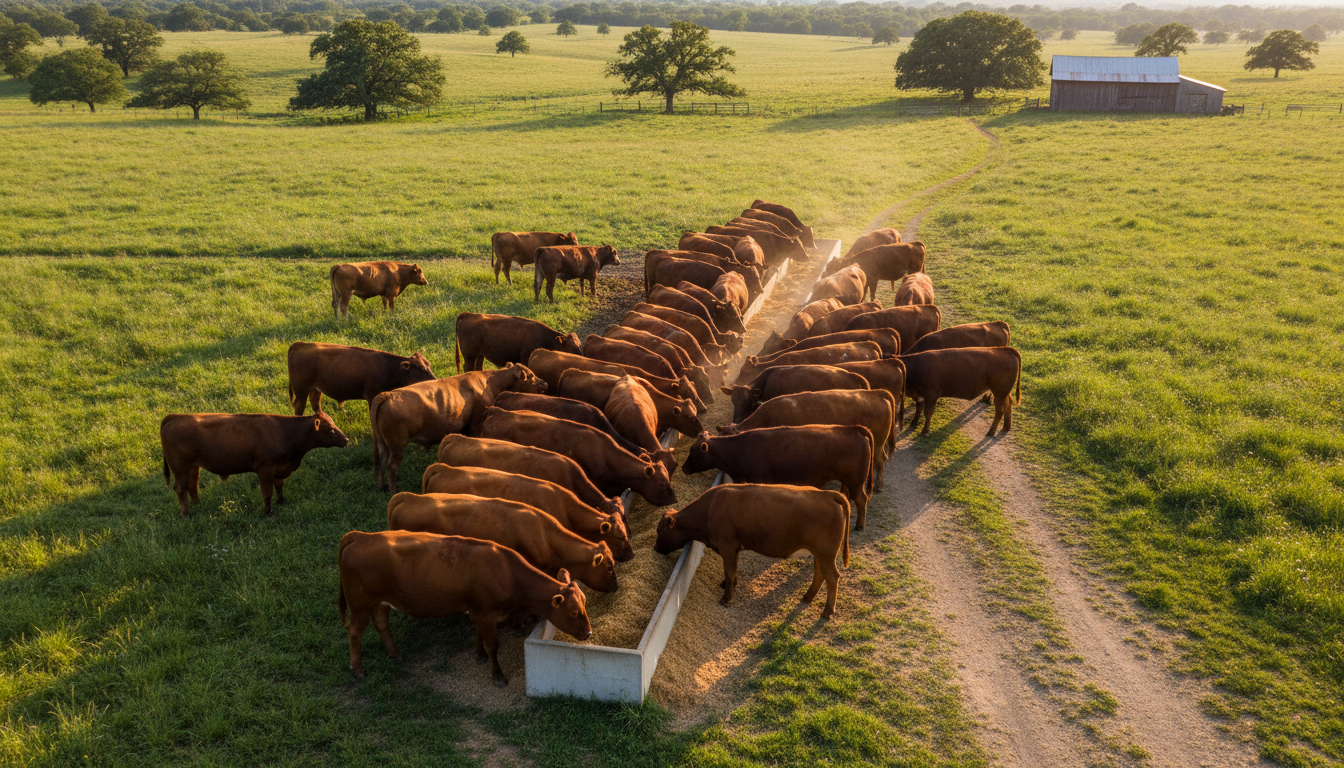
Traditional breeds, while still valuable, may not command the same premium prices unless they possess exceptional traits or lineage. However, they remain a staple in larger farming operations where their size and productivity are advantageous.
Conclusion
Choosing between mini Highland cattle and traditional breeds depends largely on the specific needs and resources of the farmer. Mini Highlands offer a charming, manageable option for those with limited space and resources, while traditional breeds provide robustness and productivity for larger operations. Both have their unique advantages, making them valuable additions to any farm.