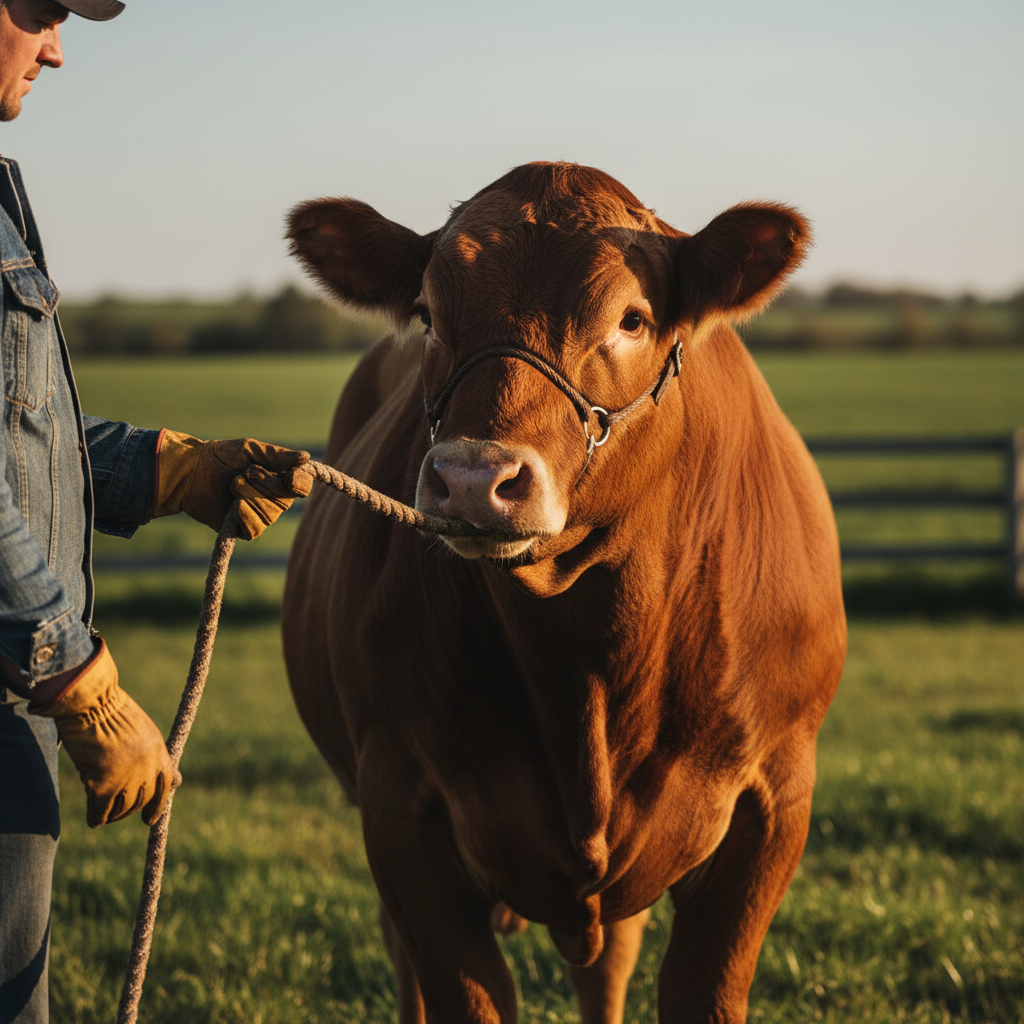
Preparing Your Mini Highland Cattle for Seasonal Changes

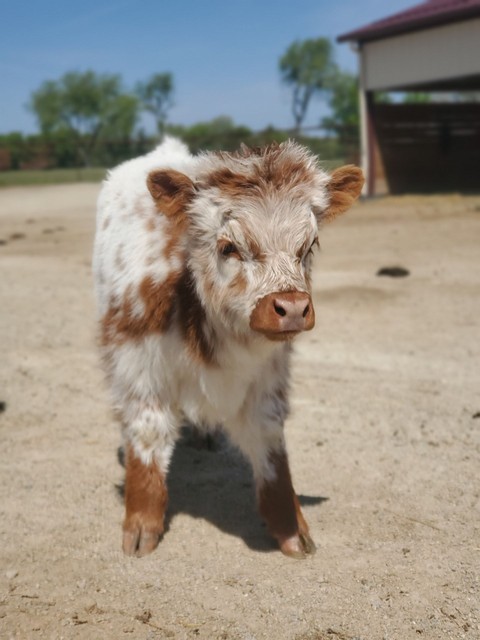
Understanding Seasonal Needs
Mini Highland cattle are known for their resilience and adaptability, yet each season brings unique challenges and needs. Preparing them for these changes ensures their health and well-being. As the seasons shift, it's essential to focus on specific care practices to keep your cattle thriving.
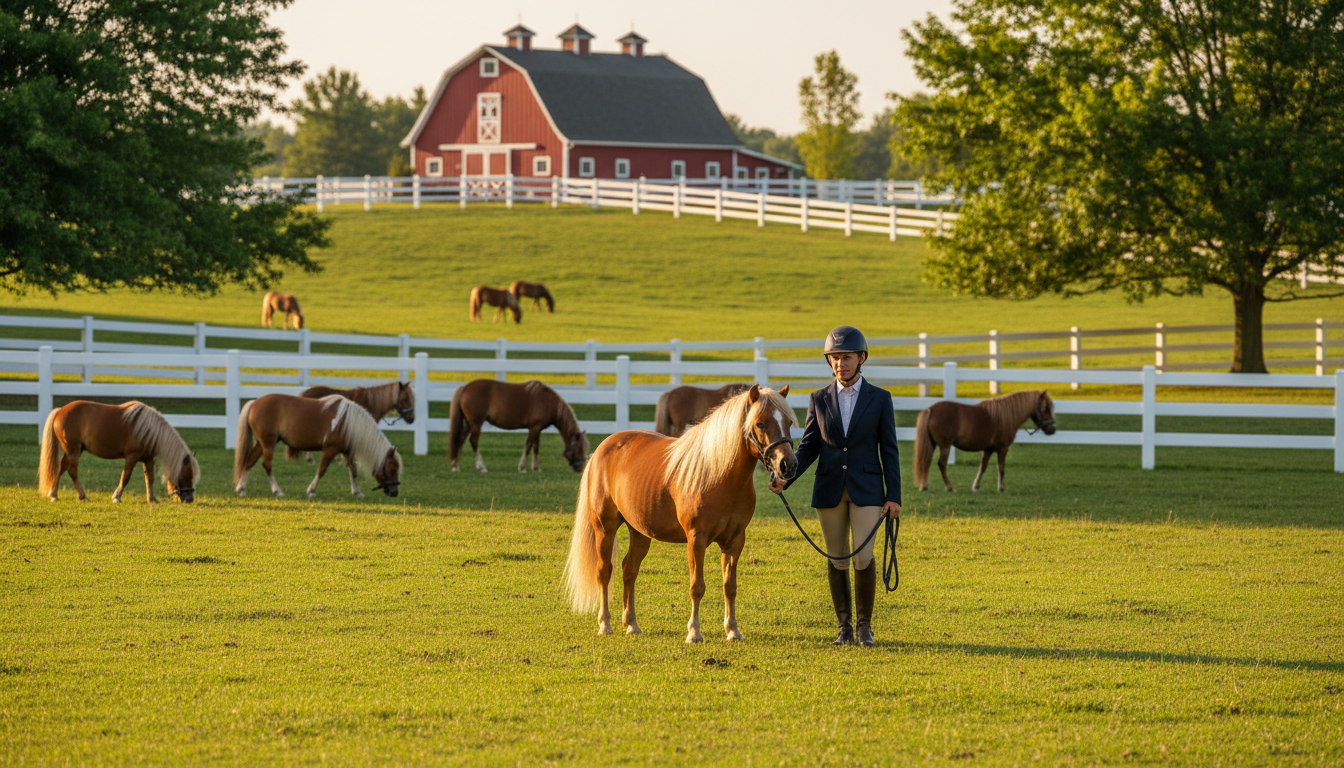
Feeding Adjustments
During colder months, your mini Highland cattle will require more energy to maintain body heat. Increase their feed intake, focusing on high-quality hay and supplements. In contrast, summer may demand a lighter diet to prevent overheating. Always ensure access to fresh water, as hydration is crucial year-round.
Shelter and Protection
Providing proper shelter is vital, particularly in harsh weather conditions. In winter, a warm barn or windbreak protects them from extreme cold and wind. During summer, shade trees or shelters help avoid heat stress. Regularly check and maintain these structures to ensure they remain effective.
Grooming and Health Care
Regular grooming helps maintain your cattle's coat, which is especially important as the season changes. Brush their thick fur to remove debris and check for parasites. Additionally, schedule routine health checks with a veterinarian to address any seasonal health concerns, like respiratory issues in winter.
Hoof Care
Hoof health is crucial year-round, but wet seasons can lead to issues like hoof rot. Ensure regular trimming and inspection to prevent infections. Keep their living area dry and clean to reduce the risk of hoof problems.
Monitoring Behavior
Observing your mini Highland cattle's behavior is key to identifying seasonal needs. Changes in activity levels, eating habits, or social interactions can indicate health issues or discomfort. Stay vigilant and make adjustments as needed to ensure their comfort and well-being.
Adapting to Temperature Changes
Cattle can adapt to temperature fluctuations, but sudden changes can be stressful. Gradually acclimate them to new temperatures by adjusting their environment and care routines. Use fans during heatwaves and ensure ample bedding during cold snaps.
Conclusion
Proper preparation for seasonal changes involves understanding and addressing the unique needs of mini Highland cattle. By focusing on feeding, shelter, grooming, and health care, you can ensure your cattle remain healthy and happy throughout the year. Remember, attentive care and timely adjustments are key to their well-being.