Preparing Your Mini Highland Cattle for Seasonal Changes

Understanding Seasonal Needs
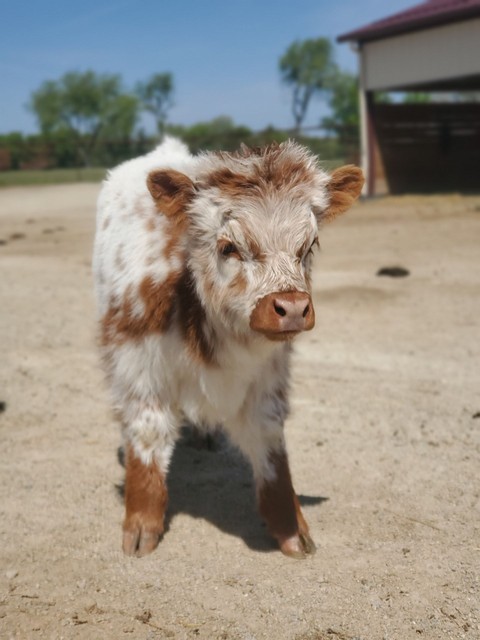
Mini Highland cattle are a resilient breed, but preparing them for seasonal changes is essential for their health and well-being. As the seasons shift, these cattle require specific care to ensure they remain comfortable and healthy. Understanding their needs can help you provide the best environment for them throughout the year.
Adjusting Their Diet
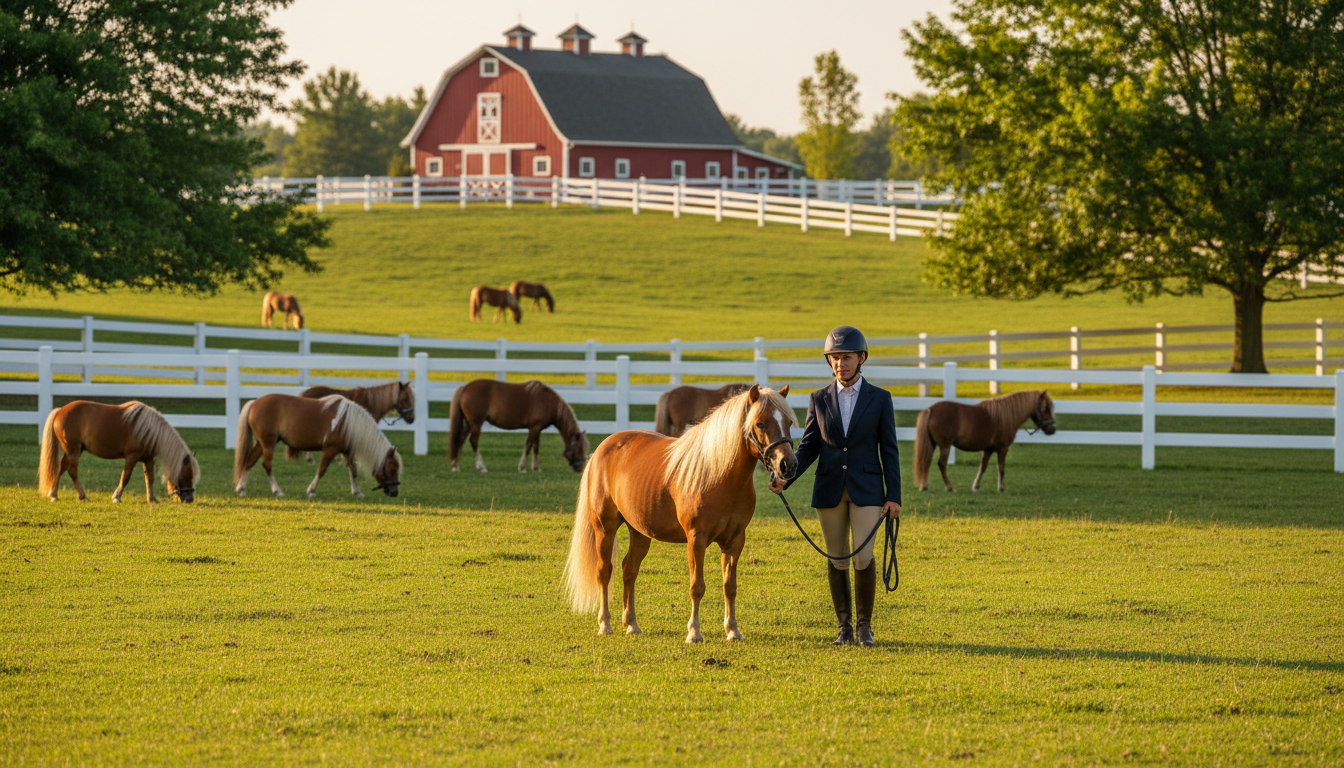
With the arrival of colder months, it's important to adjust the diet of your Mini Highland cattle. During winter, they require more energy to maintain body heat, so increasing their feed, especially hay, is crucial. Providing a balanced diet rich in nutrients will help them thrive.
Consider supplementing their diet with minerals and vitamins, particularly if they are grazing on snow-covered pastures. This ensures they receive the necessary nutrients when natural forage is limited.
Shelter and Warmth
Providing adequate shelter is vital for protecting your cattle from harsh weather. A sturdy barn or windbreaks can significantly reduce their exposure to cold winds and precipitation. Make sure the shelter is dry and well-ventilated to prevent respiratory issues.
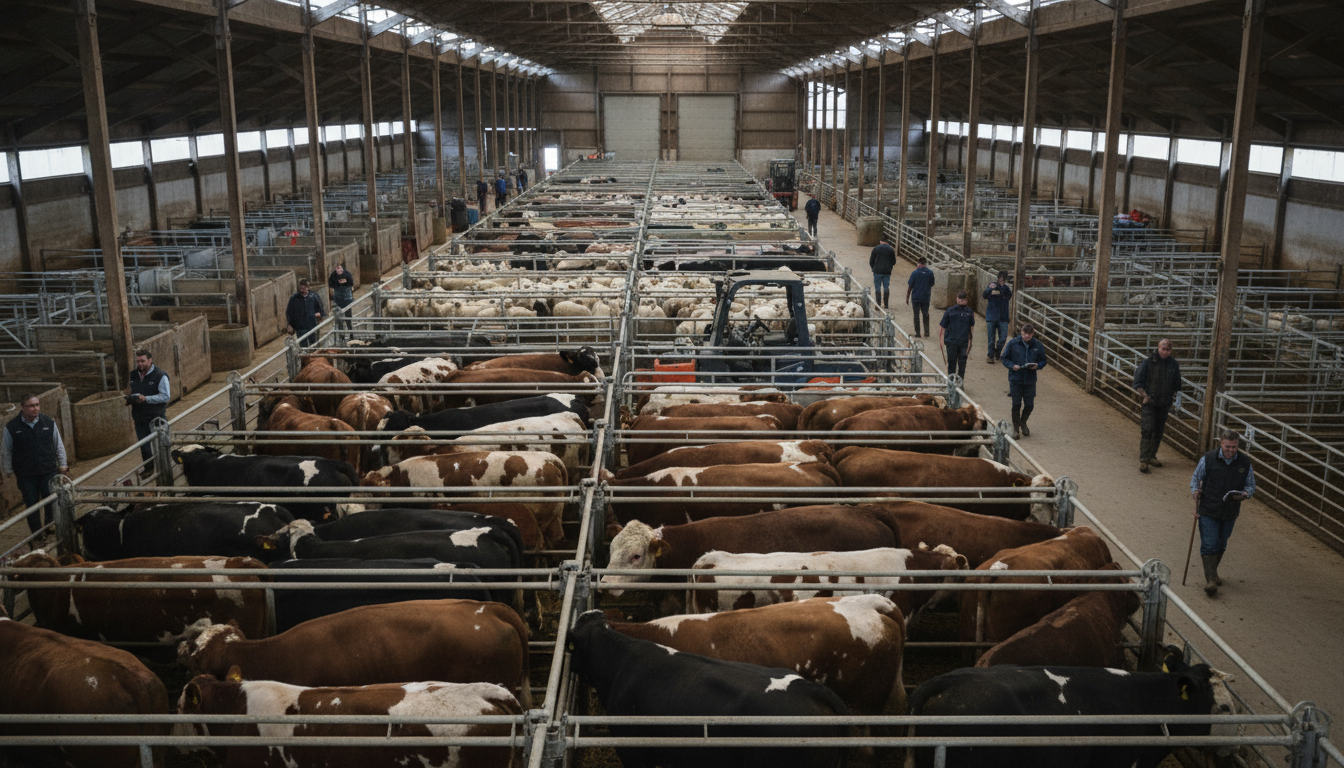
Adding extra bedding, such as straw, can help insulate and keep them warm during colder nights. Regularly check and replace bedding to maintain cleanliness and comfort.
Ensuring Hydration
Maintaining access to fresh water is crucial, even during winter. Ensure that water sources do not freeze over by using heated water troughs or regularly breaking ice. Dehydration can be a risk in winter, as cattle may drink less if water is too cold.
Monitoring Health
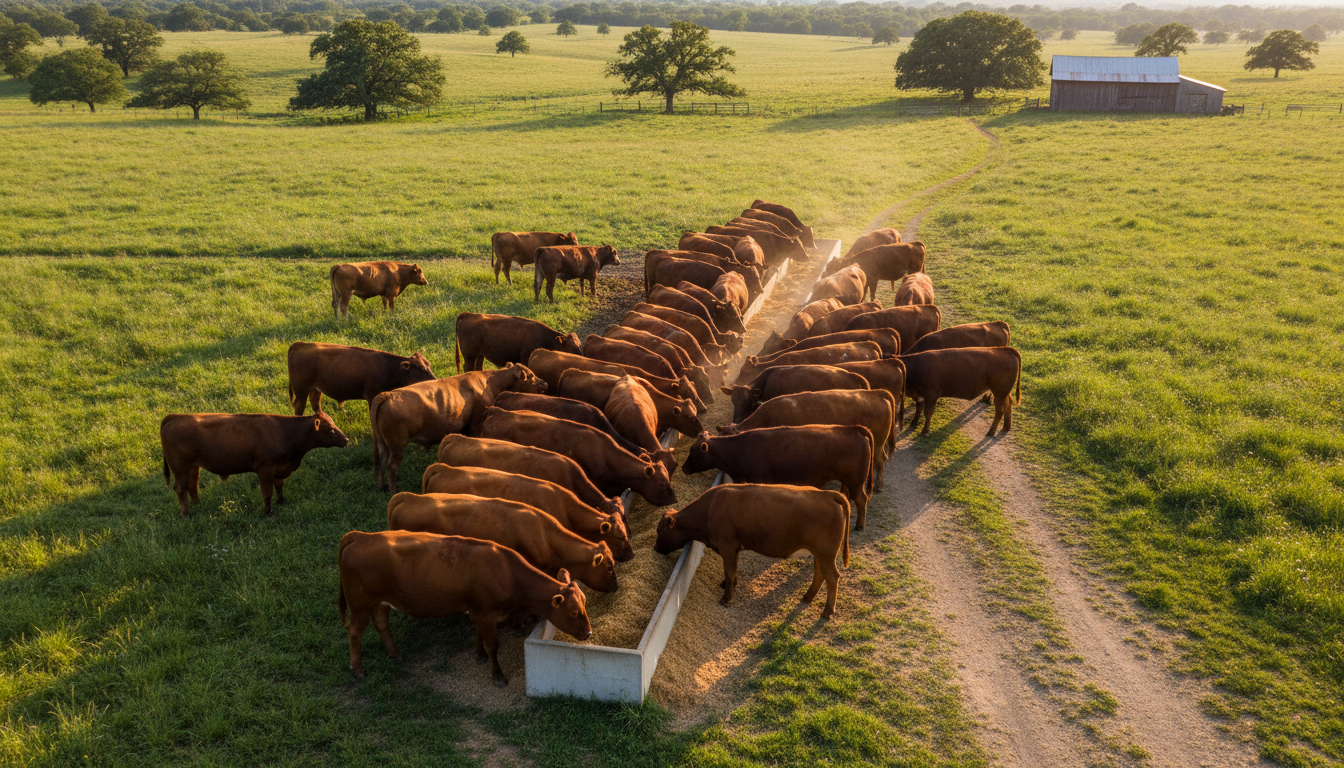
Regular health checks are essential, especially during seasonal transitions. Look for signs of illness such as coughing, nasal discharge, or changes in behavior. Early detection can prevent more serious health issues.
Vaccinations and deworming schedules should be up to date to protect against diseases commonly spread during seasonal changes. Consulting with a veterinarian can provide additional guidance specific to your herd's needs.
Grooming and Maintenance
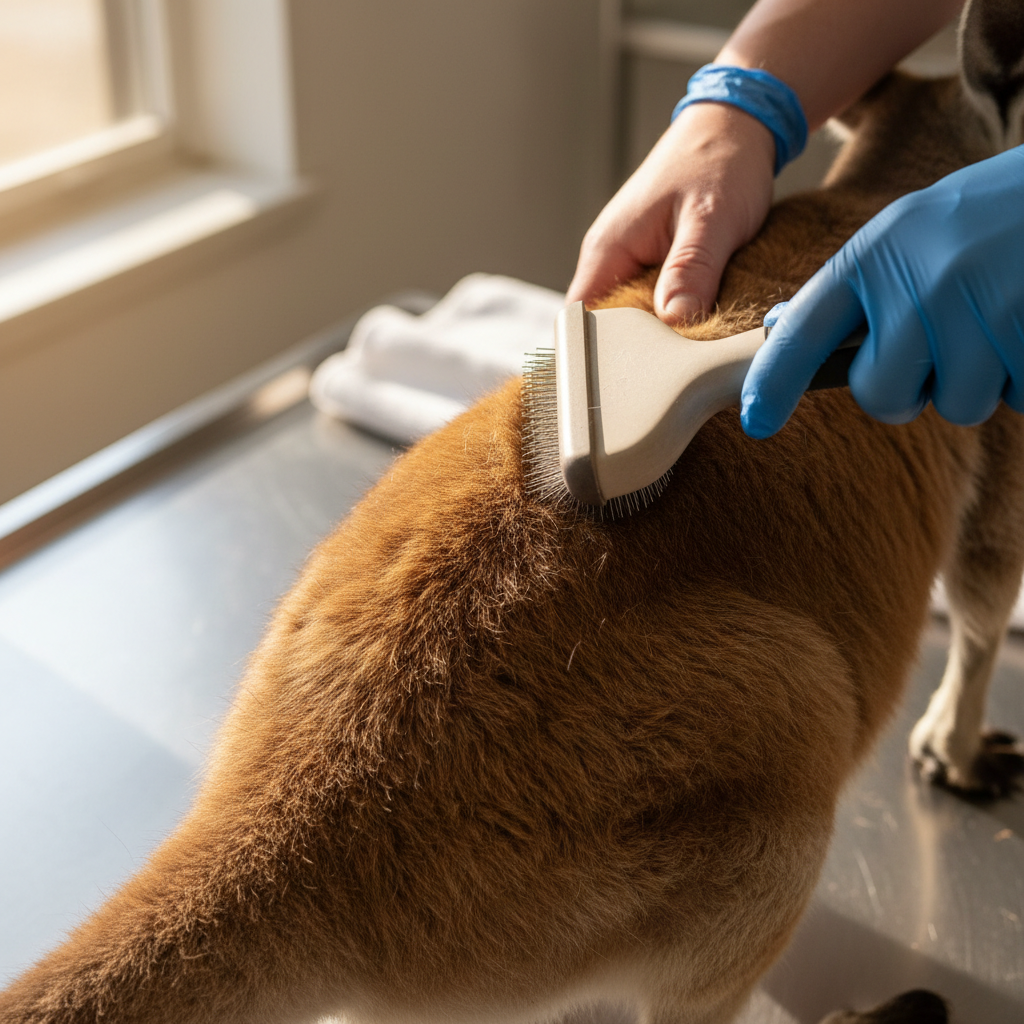
As winter approaches, Mini Highland cattle grow a thicker coat to keep warm. Regular grooming helps manage their coat and reduces the risk of matting. It also allows you to monitor their skin condition and check for parasites.
In summer, providing shade and regular fly control can prevent heat stress and discomfort. Maintaining their hooves is equally important, as wet conditions can lead to hoof problems.
Adapting to Warmer Seasons
As the weather warms, Mini Highland cattle will need less protection from the cold but will require measures to stay cool. Ensure they have access to shade and cool water. Regularly inspect their coat for overheating signs and adjust their diet to prevent excessive weight gain.
By following these guidelines, you can ensure your Mini Highland cattle are well-prepared for any seasonal changes, keeping them healthy and comfortable year-round.