Preparing Your Mini Highland Cattle for Winter in Wisconsin

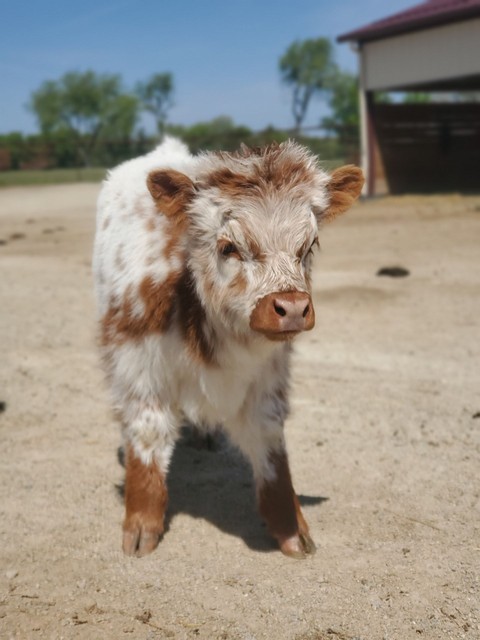
Understanding the Needs of Mini Highland Cattle in Winter
Preparing your mini Highland cattle for the harsh Wisconsin winter is essential for their health and well-being. These resilient animals are known for their thick, double-layered coats, but even they need special care during the colder months. Understanding their unique needs helps ensure they remain healthy and comfortable as temperatures drop.
Mini Highland cattle, with their characteristic long hair, are naturally adapted to cold climates. However, additional preparations, such as proper shelter and nutrition, are crucial. By taking the right steps, you can help them thrive all winter long.

Shelter: A Warm and Safe Haven
Providing adequate shelter is one of the most important aspects of winter preparation. A well-constructed barn or shed offers protection against snow, wind, and freezing rain. Ensure that the shelter is free from drafts and has ample bedding for warmth.
It's also vital to ensure proper ventilation to prevent moisture buildup, which can lead to respiratory issues. Regularly check the shelter for any signs of damage and make necessary repairs before the winter season fully sets in.

Creating a Comfortable Environment
Inside the shelter, provide plenty of clean, dry bedding. Straw is a popular choice as it offers excellent insulation. Regularly replace soiled bedding to maintain a hygienic environment. This practice not only keeps your cattle warm but also reduces the risk of disease.
Nutritional Needs: Feeding for Energy
During the winter months, mini Highland cattle require a diet rich in energy to maintain their body heat. High-quality hay should be the staple of their diet, supplemented with grains if necessary. Ensure they have constant access to fresh, unfrozen water.
Consider offering a mineral supplement to support their immune system. Consult with a veterinarian to tailor a nutrition plan that meets the specific needs of your cattle.

Monitoring Body Condition
Regularly monitor the body condition of your mini Highland cattle throughout the winter. This helps you adjust their diet and care as needed. Look for signs of weight loss or poor coat condition, as these may indicate nutritional deficiencies or health issues.
Health Checks and Vaccinations
Before the onset of winter, schedule a veterinary check-up to ensure your cattle are in good health. Vaccinations and parasite control should be up to date to prevent illness during the colder months.
Cold, damp weather can exacerbate health problems, so early detection and treatment of any issues are crucial. Regular health checks help you catch and address problems before they become serious.

Conclusion: Ensuring a Safe Winter
Preparing your mini Highland cattle for winter in Wisconsin requires thoughtful planning and attention to detail. By providing proper shelter, nutrition, and healthcare, you can ensure that your cattle remain healthy and content throughout the season.
By following these guidelines, you can enjoy peace of mind knowing that your mini Highland cattle are well-equipped to handle whatever winter throws their way.