Seasonal Care for Mini Highland Cattle: Preparing for Winter

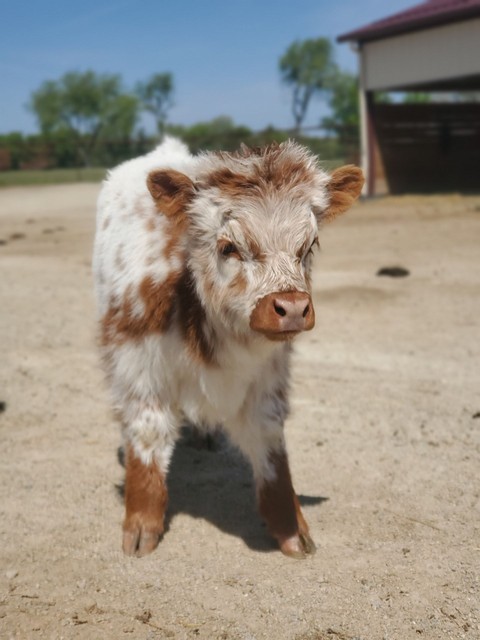
As the days grow shorter and temperatures drop, preparing your mini Highland cattle for winter is essential. These hardy animals, known for their resilience in the cold, still require specific care to ensure they thrive during the chilly months.
Understanding Their Needs
Highland cattle are naturally equipped to handle cold weather, thanks to their thick double coat. However, they still need some assistance. Start by assessing their living conditions and ensure they have adequate shelter to protect them from harsh winds and precipitation.
Providing Adequate Shelter
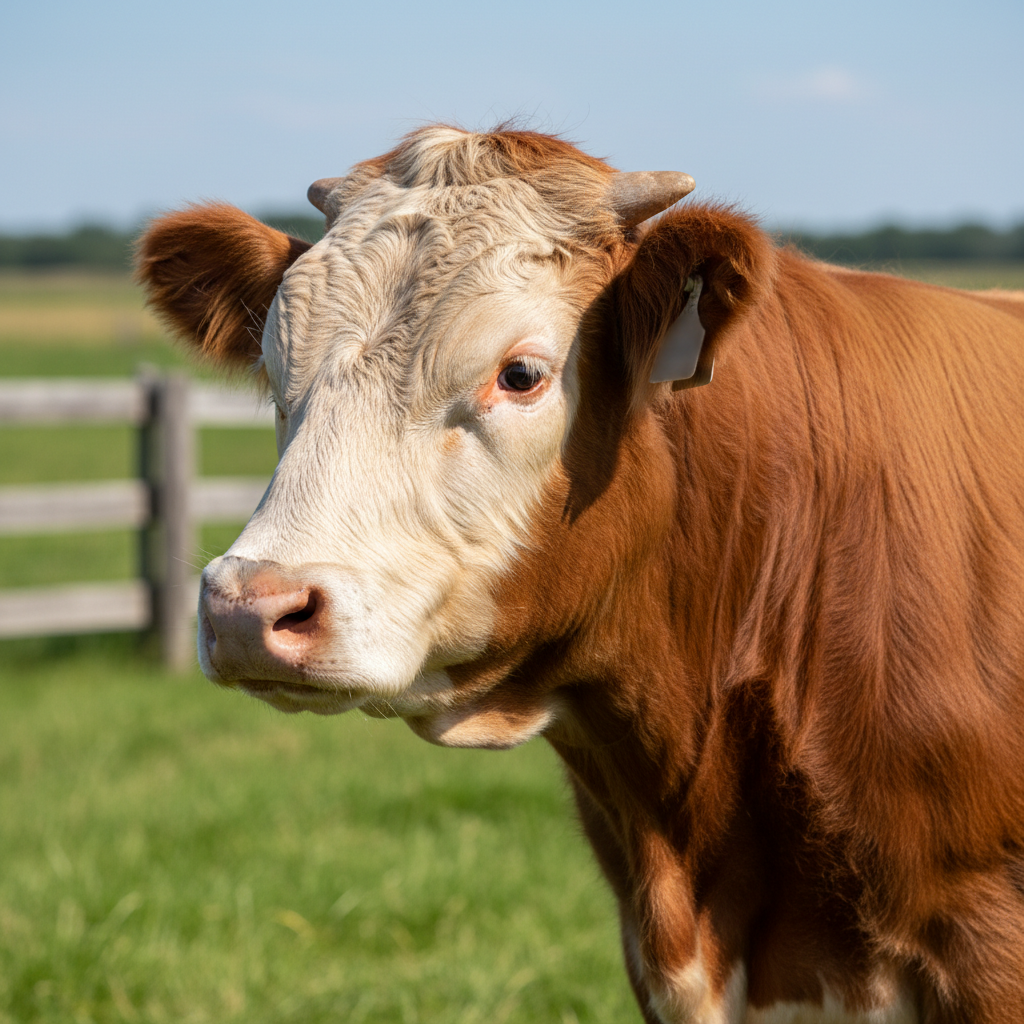
While Highland cattle can withstand cold temperatures, they need a dry, draft-free shelter. A simple three-sided shed can suffice, as long as it blocks the wind and rain. Make sure to check the structure for any leaks or repairs that might be needed before winter fully sets in.
Additionally, provide plenty of clean, dry bedding. Straw is often the preferred choice as it offers good insulation and comfort. Regularly check and replace bedding to maintain a clean environment.
Ensuring Proper Nutrition
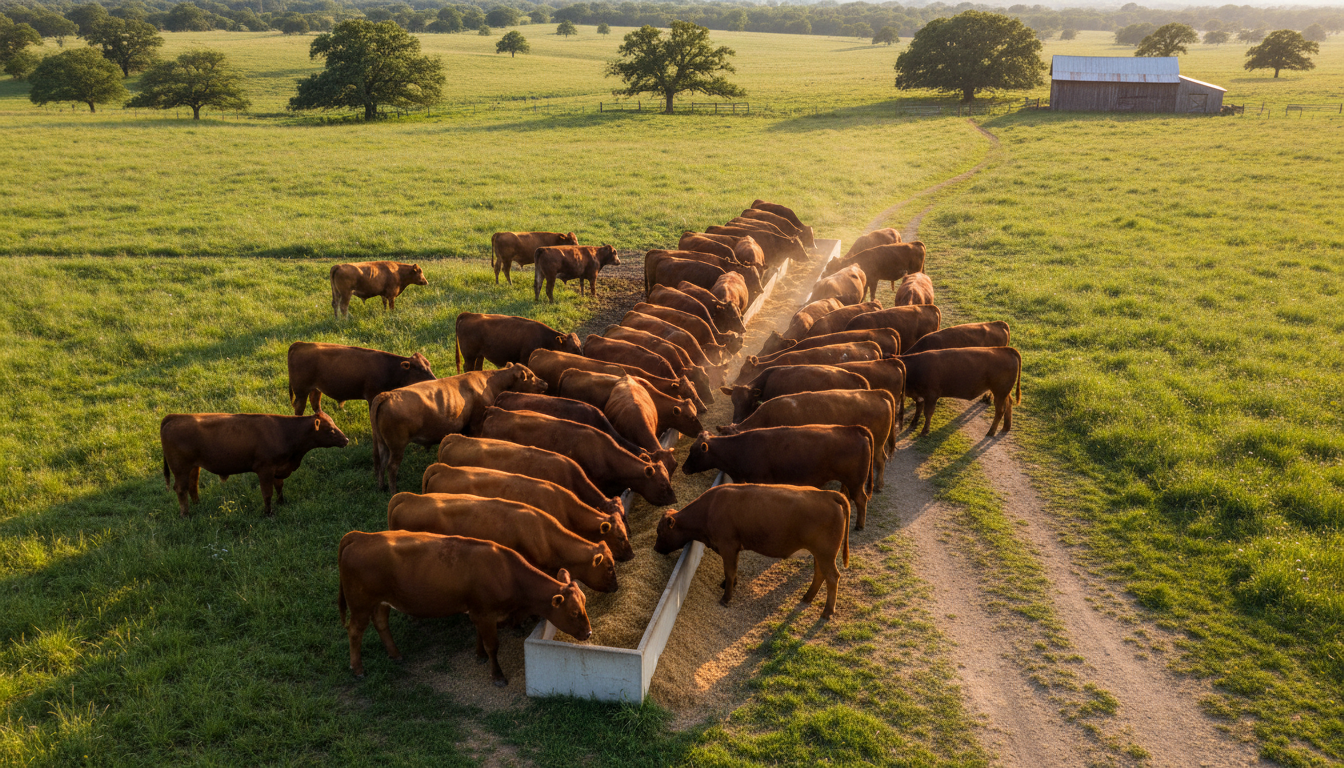
Nutrition is crucial during winter as cattle expend more energy to maintain body heat. Increase their feed intake, focusing on high-quality hay. Consider supplementing with grain if necessary, but consult with a veterinarian to tailor the diet to your herd's specific needs.
Access to Fresh Water
Water sources can freeze during winter, so it's important to ensure your cattle have access to fresh, unfrozen water. Consider using heated water troughs or regularly check and break the ice to maintain accessibility.
Keep in mind that cattle drink more water when consuming dry feed, so monitoring their intake and ensuring constant availability is key to their health.
Monitoring Health and Well-being
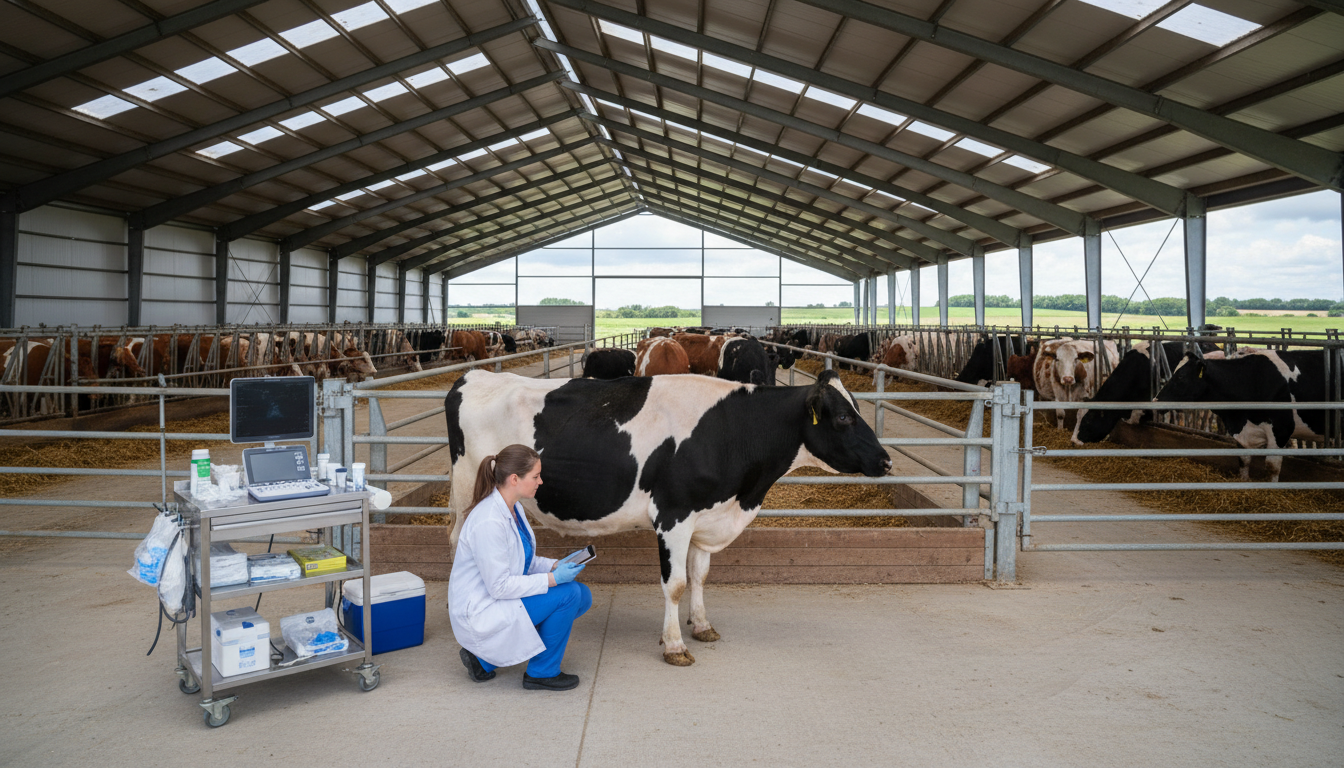
Regular health checks are vital during winter. Look for signs of stress or illness, such as coughing, nasal discharge, or lethargy. Catching these early can prevent more serious issues down the line.
Maintaining a Safe Environment
Winter conditions can lead to slippery surfaces, increasing the risk of injury. Regularly check and manage areas around feeding and watering stations to minimize ice buildup. Sand or gravel can help improve traction.
Additionally, ensure fences and gates are in good repair to prevent animals from wandering into dangerous areas.
Conclusion
While mini Highland cattle are well-suited for cold climates, proactive care is essential to keep them healthy and comfortable throughout winter. By providing adequate shelter, nutrition, and monitoring, you can ensure your herd thrives even in the harshest conditions.
Remember, preparation is key. By taking these steps, you'll not only safeguard your cattle's well-being but also enjoy the peace of mind that comes with knowing they're well cared for.