Seasonal Care for Mini Highlands: Preparing for Winter

Understanding the Needs of Mini Highlands
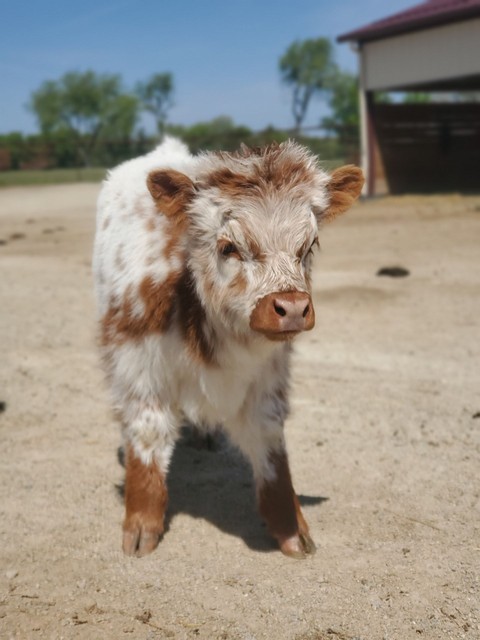
Mini Highland cattle are a unique and hardy breed, known for their thick coats and adaptability to colder climates. However, as winter approaches, it's crucial to ensure they have the proper care to thrive during the colder months. Let's explore some essential tips to prepare your Mini Highlands for winter.
Despite their resilience, Mini Highlands still require specific care to maintain their health and comfort. Their thick double coats provide natural insulation, but additional measures are necessary for optimal well-being.
Providing Adequate Shelter
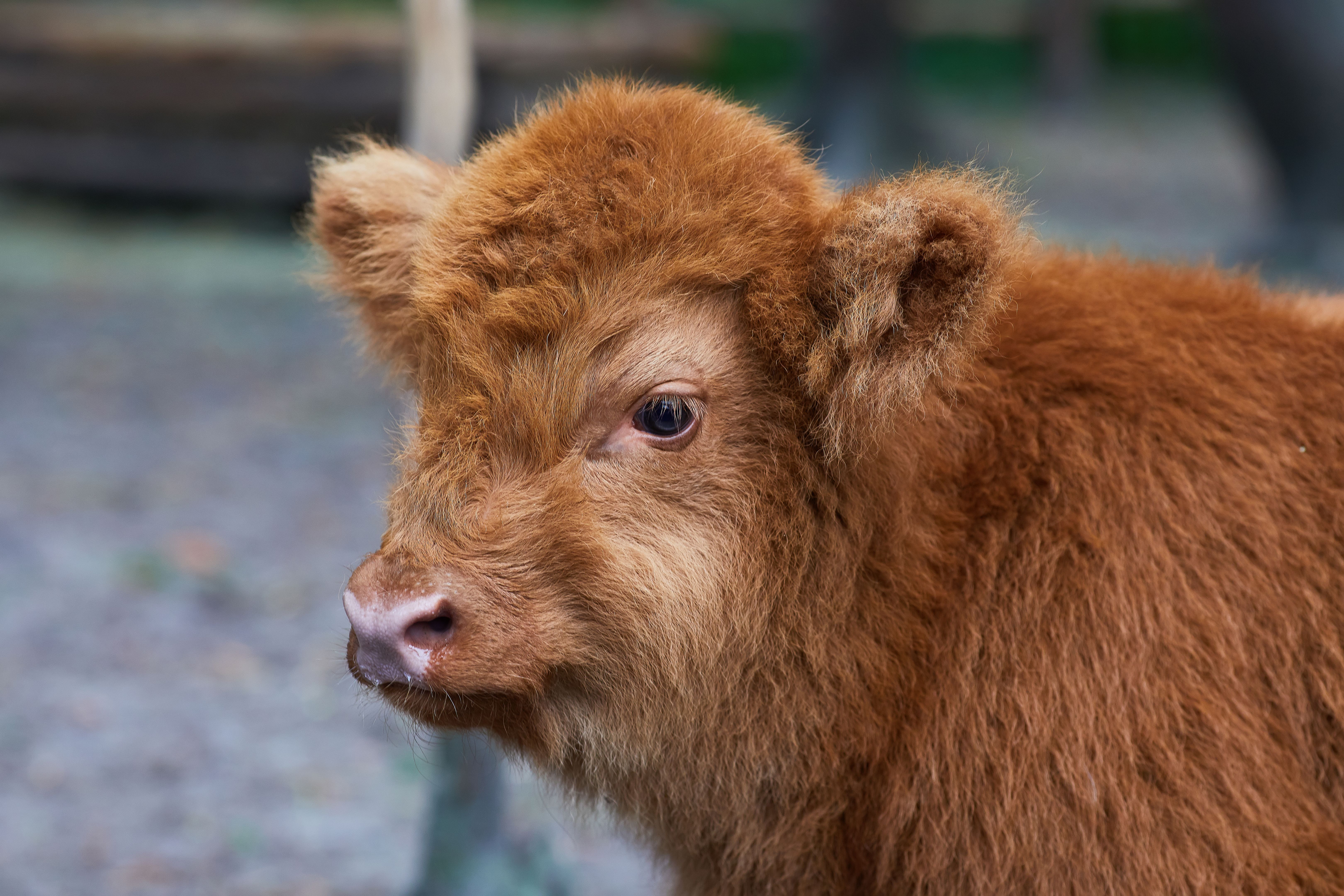
One of the first steps in winter preparation is ensuring your Mini Highlands have access to adequate shelter. This shelter should protect them from harsh winds, rain, and snow. A sturdy barn or a three-sided shed with a roof will typically suffice.
Make sure the shelter is clean and dry with ample bedding. Straw is an excellent choice for insulation, keeping your cattle warm and comfortable. Regularly check and replenish bedding to maintain a cozy environment.
Nutrition and Hydration
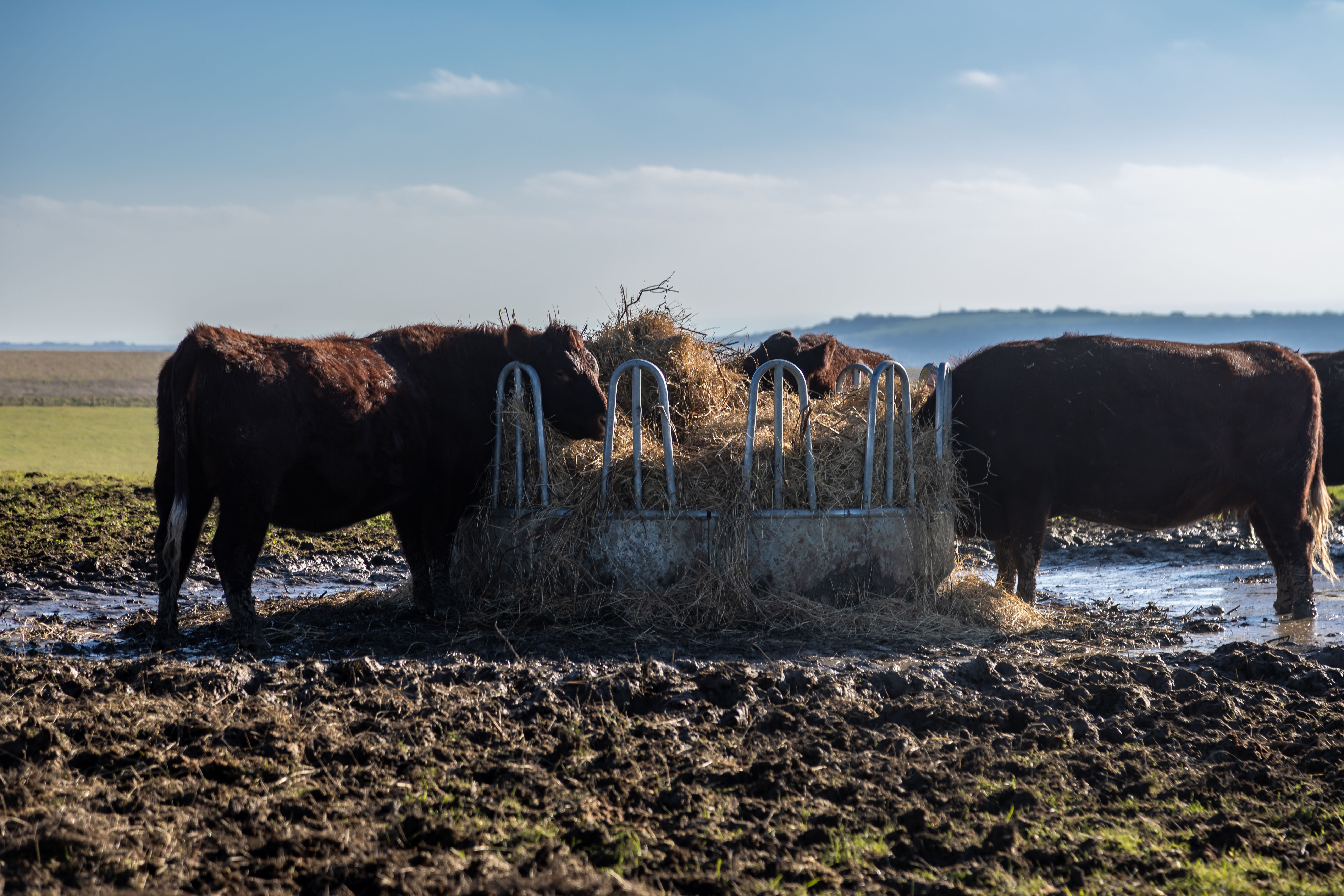
Proper nutrition is vital for Mini Highlands, especially in winter when their bodies need extra energy to stay warm. Ensure they have access to high-quality hay and consider supplementing with grains if necessary. Consult with a veterinarian for specific dietary recommendations.
Hydration is equally important. Ensure that water sources do not freeze over, preventing access. Heated water troughs or regularly checking and breaking ice in natural sources can be effective solutions.
Health Checks and Monitoring
Regular health checks are essential during the winter months. Monitor your Mini Highlands for any signs of distress or illness. Pay special attention to their hooves, as wet and cold conditions can lead to issues like hoof rot.
Consult a veterinarian for vaccinations and deworming schedules tailored to the winter season. Keeping up with these health measures will help prevent common winter ailments.
Exercise and Social Interaction
Even in winter, Mini Highlands need exercise to maintain muscle tone and overall health. Ensure they have access to a safe outdoor area where they can move freely. Exercise also helps prevent boredom, which can lead to stress.
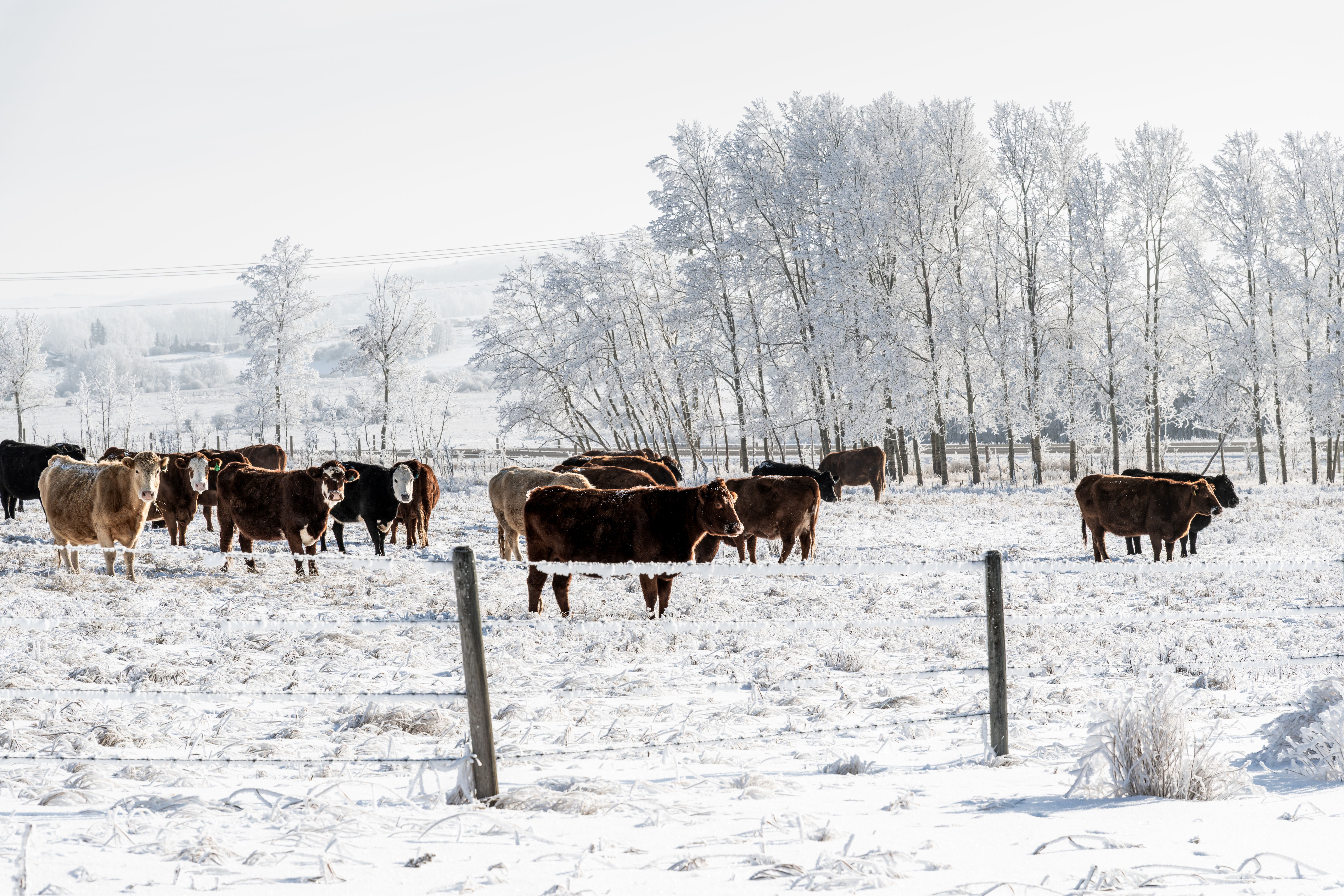
Social interaction is important as well. Mini Highlands are herd animals and thrive with companionship. Ensure they have access to other cattle or animals to maintain a healthy social structure.
Conclusion
By taking these proactive steps, you can ensure your Mini Highlands are well-prepared for the winter months. Adequate shelter, nutrition, health care, and social interaction are all key components in maintaining their health and happiness. With the right care, your Mini Highlands will thrive in any season.