Seasonal Tips for Highland Cattle Care During Winter in Eagle

Understanding Highland Cattle and Their Winter Needs
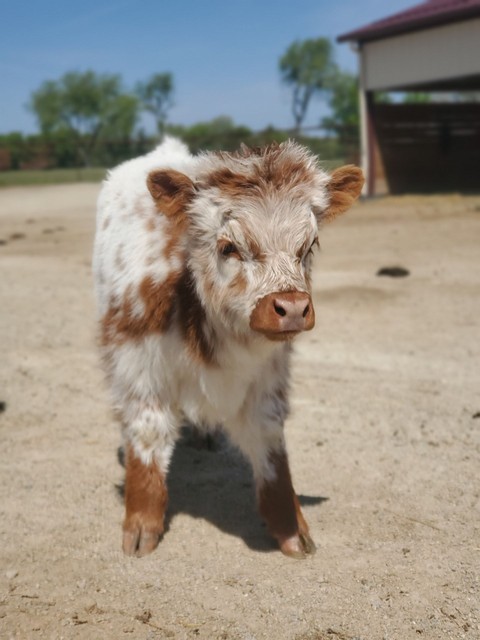
Highland cattle are known for their resilience and ability to withstand harsh climates. However, winter in Eagle, with its unique challenges, necessitates specific care to ensure these majestic animals remain healthy and comfortable. Understanding their needs during this season is crucial for any cattle owner.
Providing Adequate Shelter
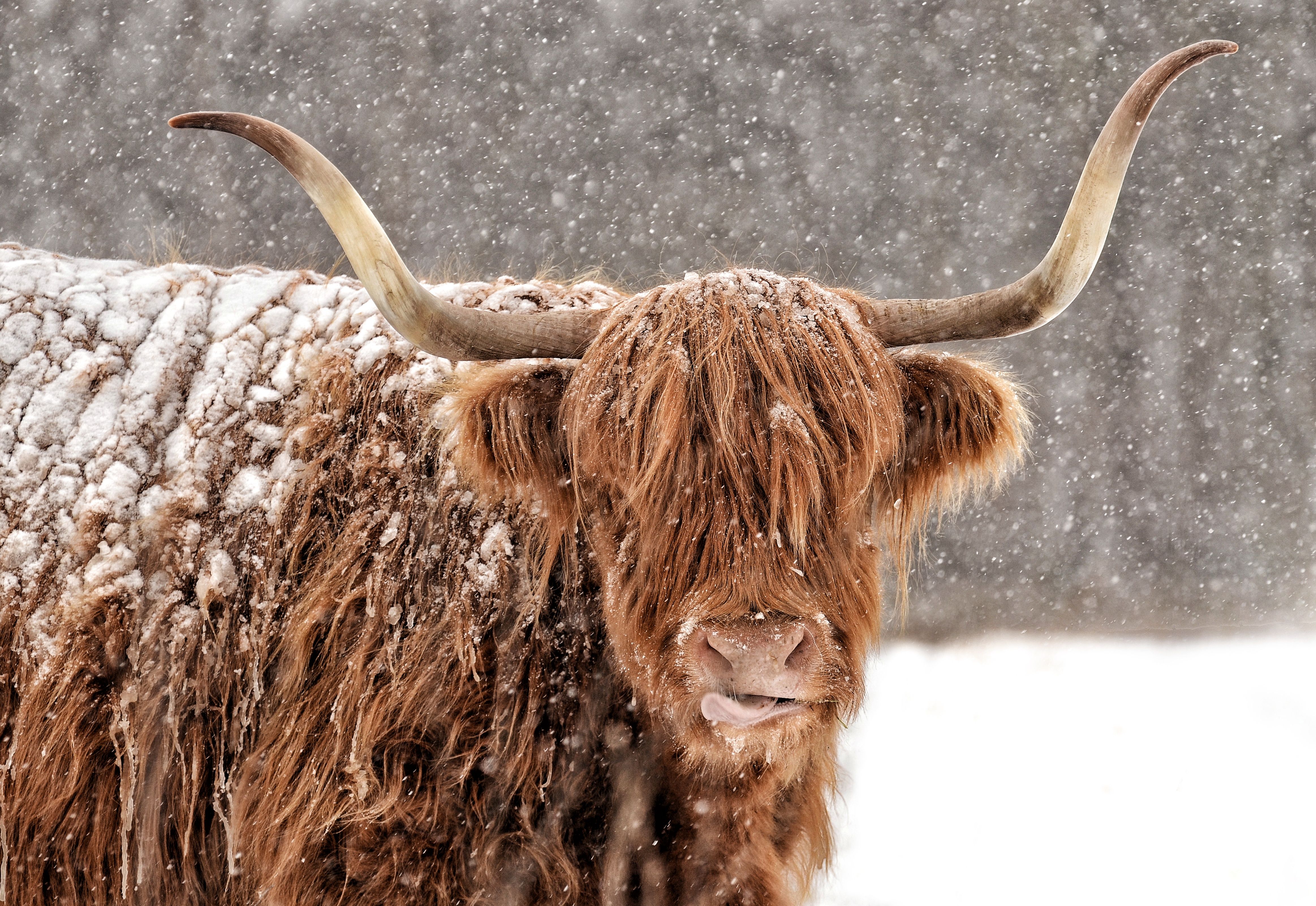
While Highland cattle are hardy, they still require adequate shelter from extreme weather conditions. Providing a sturdy barn or windbreaks can protect them from icy winds and heavy snowfall. Make sure the shelter is well-ventilated to prevent moisture buildup, which can lead to respiratory issues.
Ensuring Proper Nutrition
Winter conditions demand more energy from cattle, making nutrition a top priority. Increase their feed with quality hay and consider supplements to provide necessary nutrients. Access to fresh water is also essential, so ensure water troughs are not frozen.
Maintaining Health and Wellness
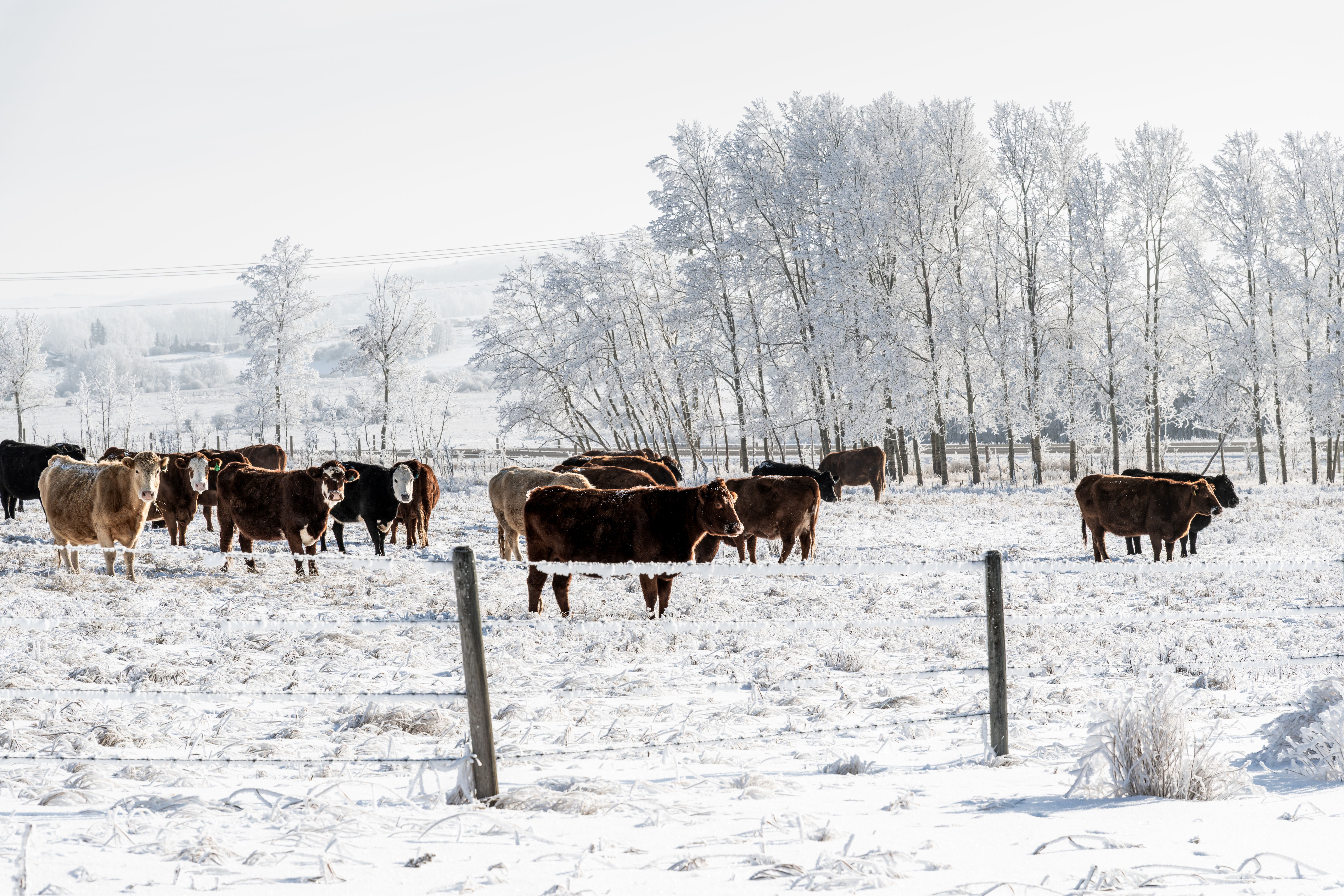
Monitoring the health of your Highland cattle is vital during winter. Regularly check for signs of illness or injury. Pay attention to their coats and body condition, as these can be indicators of underlying health issues.
Foot Care Considerations
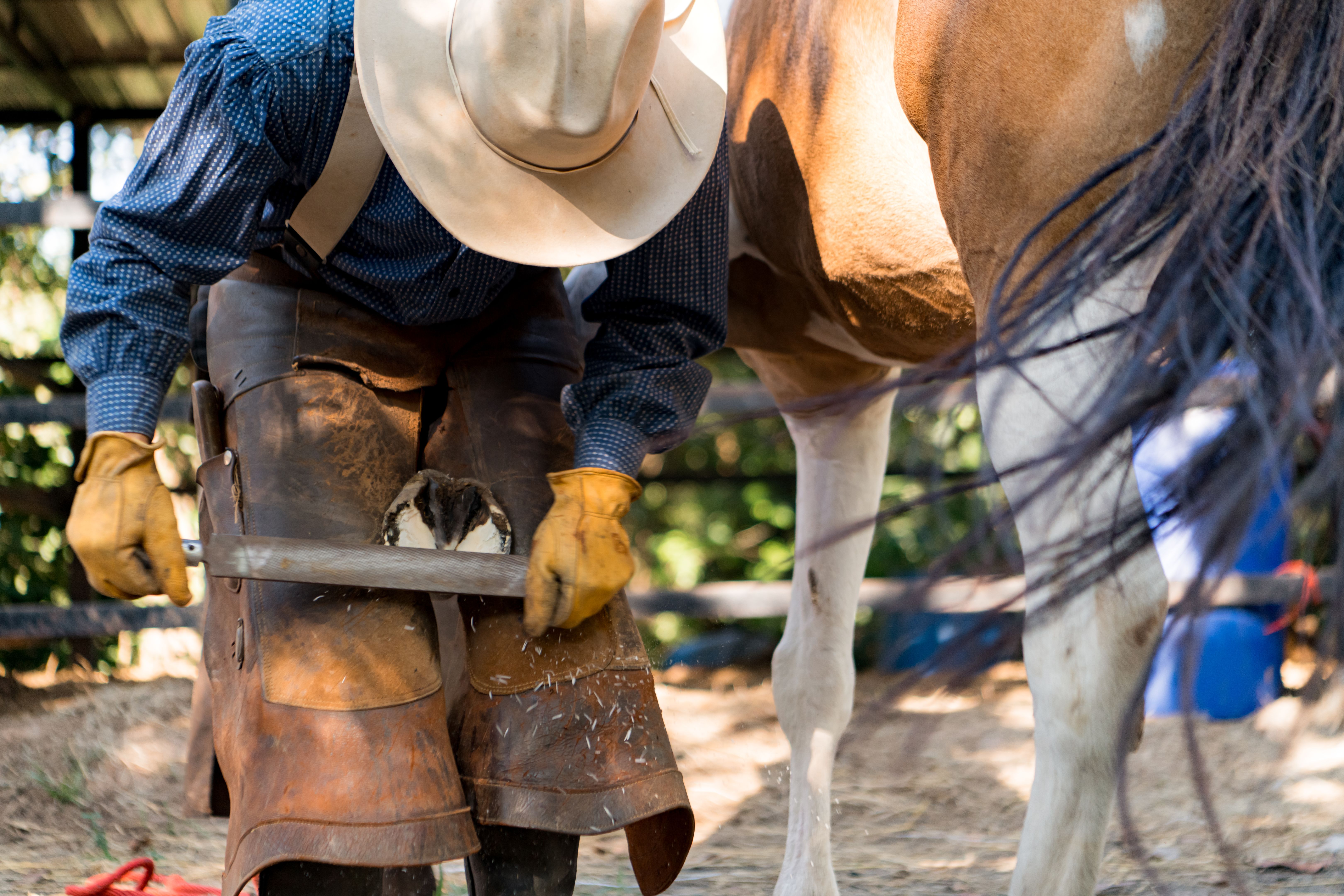
Winter can be tough on cattle hooves, particularly with ice and mud. Regular hoof trimming and inspection can prevent problems such as infections or lameness. Ensure walking paths are clear of ice to reduce slipping hazards.
- Schedule regular hoof inspections.
- Keep walking areas free from ice.
- Address any injuries promptly.
Enhancing Comfort and Safety
Comfort is key to maintaining cattle health. Provide ample bedding in shelters to keep them warm and dry. Straw or wood shavings are excellent options for bedding material. This not only insulates them from the cold ground but also provides a comfortable resting area.
Implementing Safety Measures
Winter can pose various safety risks. Regularly inspect fencing to ensure it is secure and free from damage caused by heavy snow or ice. Additionally, ensure that feeding equipment is functioning properly and is free from ice accumulation.
- Check fences regularly for damage.
- Inspect feeding equipment daily.
- Monitor weather conditions and adjust care as needed.
By taking these seasonal tips into account, you can ensure that your Highland cattle remain healthy and thrive throughout the winter months in Eagle. Proper preparation and consistent care are the keys to success in managing your herd during this challenging season.