The Ultimate Guide to Maintaining a Healthy Herd of Mini Highlands

Introduction to Mini Highlands
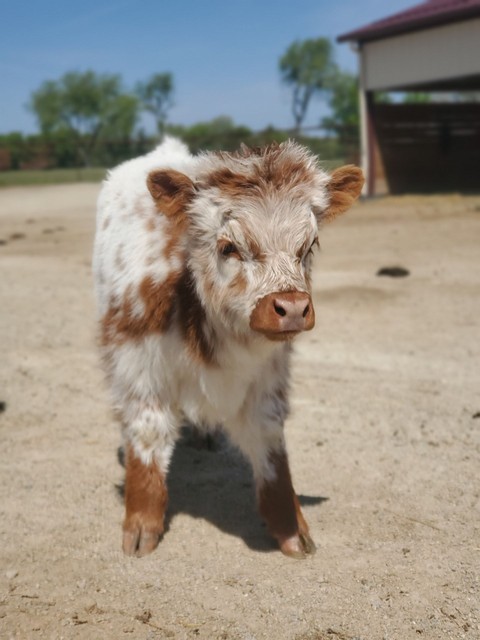
Mini Highlands are a charming and unique breed of cattle known for their small size and distinctive appearance. Keeping them healthy requires understanding their specific needs. This guide will provide you with essential tips to maintain a thriving herd.

Understanding Their Nutritional Needs
Proper nutrition is crucial for Mini Highlands. They require a balanced diet to maintain their health and energy levels. High-quality hay, fresh water, and mineral supplements should be readily available.
Consider supplementing their diet with grains, especially during the colder months, to ensure they receive enough calories. It's also important to consult with a veterinarian to tailor a diet plan specific to your herd's needs.

Essential Vitamins and Minerals
Ensure your Mini Highlands have access to essential vitamins and minerals. Calcium, phosphorus, and magnesium are vital for their bone health, while trace minerals like selenium and copper boost immune function.
Creating a Suitable Living Environment
Adequate shelter is vital for protecting your herd from harsh weather. A simple barn or shed can provide enough coverage during rain or snow. Ensure the shelter is well-ventilated and dry to prevent respiratory issues.

Space and Fencing Considerations
Mini Highlands require enough space to roam and graze. A well-fenced pasture is essential to keep them safe from predators. Use sturdy fencing materials to prevent escapes and ensure the safety of your cattle.
Health Monitoring and Veterinary Care
Regular health checks are crucial for maintaining a healthy herd. Monitor your cattle for signs of illness, such as coughing, limping, or changes in appetite. Early detection can prevent serious health issues.
Schedule regular visits from a veterinarian to administer vaccines and perform routine health assessments. This proactive approach will keep your Mini Highlands in excellent condition.

Common Health Issues
Be aware of common health problems like parasites and respiratory infections. Implement a parasite control program and ensure your cattle have access to clean, dry bedding to minimize the risk of infections.
Breeding and Calving Tips
Breeding Mini Highlands requires careful planning. Choose healthy bulls and cows to ensure strong offspring. Monitor pregnant cows closely and provide additional nutrition during the gestation period.

Calving Season Preparations
Prepare for calving season by setting up a clean, quiet space for the cows to give birth. Keep a close eye on the process and be ready to assist if necessary. Having a veterinarian on call is a wise precaution.
Conclusion
Maintaining a healthy herd of Mini Highlands involves attention to detail in nutrition, living conditions, and health care. By following these guidelines, you can enjoy the unique charm and benefits of these delightful cattle for years to come.