Top 5 Myths About Mini Highland Cattle Debunked

Understanding Mini Highland Cattle
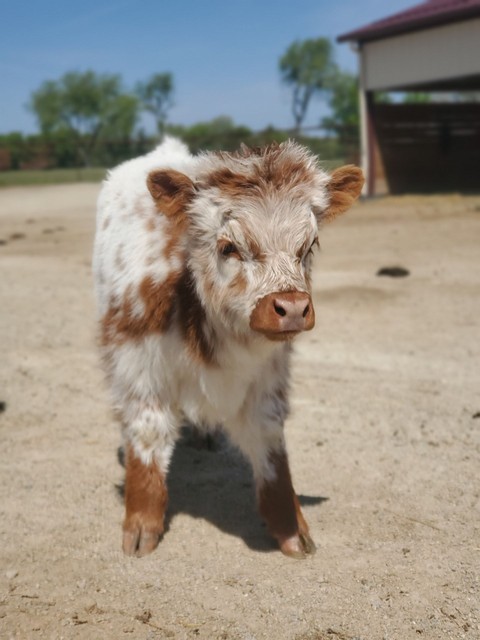
Mini Highland cattle have gained popularity for their charming appearance and manageable size. However, with popularity comes the spread of myths and misconceptions. In this post, we aim to debunk some of the most common myths surrounding these adorable bovines.

Myth 1: Mini Highland Cattle Are Just a Smaller Breed
One of the most prevalent myths is that Mini Highland cattle are simply a smaller breed of the traditional Highland cattle. This is not entirely true. Mini Highland cattle are selectively bred to be smaller, but they maintain all the characteristics of their larger counterparts, including their distinctive long hair and hardy nature.
Myth 2: They Require Less Care
A common misconception is that their smaller size means less care. In reality, Mini Highland cattle still require adequate space, proper nutrition, and regular veterinary care. Their dietary needs are similar to standard-sized cattle, and neglecting these can lead to health issues.

Myth 3: They're Just for Hobby Farmers
While it's true that many hobby farmers enjoy raising Mini Highland cattle for their novelty and appeal, they are also valuable for small-scale farming. These cattle provide quality beef and can be an excellent addition to sustainable farming practices.
Myth 4: They Are Not Suitable for Cold Climates
Despite their small stature, Mini Highland cattle are incredibly hardy and well-suited for cold climates. Their thick, shaggy coats provide excellent insulation, allowing them to thrive in harsh weather conditions, much like their larger relatives.

Myth 5: They Can't Be Trained
Some believe Mini Highland cattle are stubborn and untrainable. However, with patience and consistent handling, they can be well-trained. Many owners successfully teach them basic commands and handling techniques, making them manageable and enjoyable companions.
Conclusion
Mini Highland cattle are a unique and rewarding addition to any farm. By debunking these myths, we hope to provide a clearer understanding of what it takes to care for these delightful animals. Whether you're a hobbyist or a small-scale farmer, knowing the facts can help you make informed decisions.