Top Benefits of Raising Rare Breed Livestock in Wisconsin

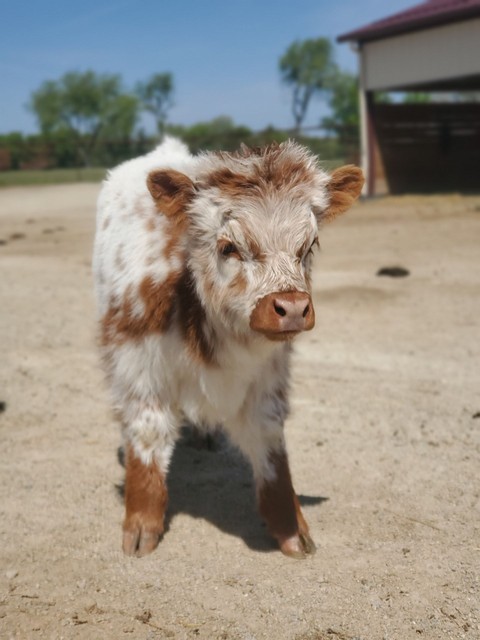
Introduction to Rare Breed Livestock
Raising rare breed livestock is becoming increasingly popular among farmers and homesteaders in Wisconsin. These unique animals not only provide high-quality products but also help preserve biodiversity and maintain ecological balance. By choosing to raise rare breeds, you contribute to the sustainability of agriculture and enjoy several other benefits.
Rare breed livestock includes animals that are not commonly found on large commercial farms. They often have characteristics that make them well-suited to specific environments or purposes. In Wisconsin, the interest in these animals is growing, thanks to their adaptability and the unique opportunities they offer.

Economic Advantages
High-Value Products
One of the primary benefits of raising rare breed livestock is the potential for producing high-value products. These animals often provide meat, milk, wool, or eggs that are prized for their unique qualities. Consumers are willing to pay a premium for products that are not only delicious but also sustainably and ethically sourced.
Diversified Income Streams
By incorporating rare breeds into your farm, you can diversify your income streams. Many farmers find that rare breed products open up new markets and opportunities, such as selling to niche grocery stores, restaurants, or directly to consumers at farmers' markets. This diversification can provide a financial cushion against market fluctuations.
Environmental Benefits
Conservation of Biodiversity
Raising rare breeds plays a crucial role in conserving biodiversity. These animals often possess unique genetic traits that are important for the resilience of livestock populations. By maintaining diverse gene pools, we help ensure that future generations of livestock are robust and adaptable.

Adaptability to Local Conditions
Many rare breeds have evolved to thrive in specific environments. In Wisconsin, these animals can be particularly well-suited to local climate conditions, reducing the need for intensive management practices. This adaptability can lead to more sustainable farming practices and a reduced environmental footprint.
Cultural and Heritage Preservation
Raising rare breeds is not just about economics and ecology; it's also about preserving cultural heritage. Many of these animals are part of Wisconsin's agricultural history and have been integral to traditional farming practices. By maintaining these breeds, we help keep this heritage alive for future generations.

Conclusion
Raising rare breed livestock in Wisconsin offers numerous benefits, from economic advantages to environmental sustainability and cultural preservation. By choosing to support these unique animals, you not only enhance your farm's profitability but also contribute to a more diverse and resilient agricultural landscape. Whether you're a seasoned farmer or new to the world of livestock, rare breeds can offer rewarding opportunities and a meaningful connection to the land and its history.